Hardie Board A Comprehensive Guide
Hardie board, a popular choice for exterior cladding, offers a compelling blend of durability, aesthetics, and longevity. This guide delves into the composition, installation, maintenance, and cost-effectiveness of Hardie board, providing a comprehensive overview for homeowners and professionals alike. We’ll explore its manufacturing process, compare it to other siding materials, and highlight its unique properties that make it a top contender in the building industry.
From understanding its fire-resistant properties to mastering the installation techniques, this guide will equip you with the knowledge needed to confidently assess whether Hardie board is the right choice for your next project. We’ll also discuss cost considerations and long-term value, ensuring you make an informed decision.
Hardie Board Composition and Manufacturing
Source: sunshinecontractingcorp.com
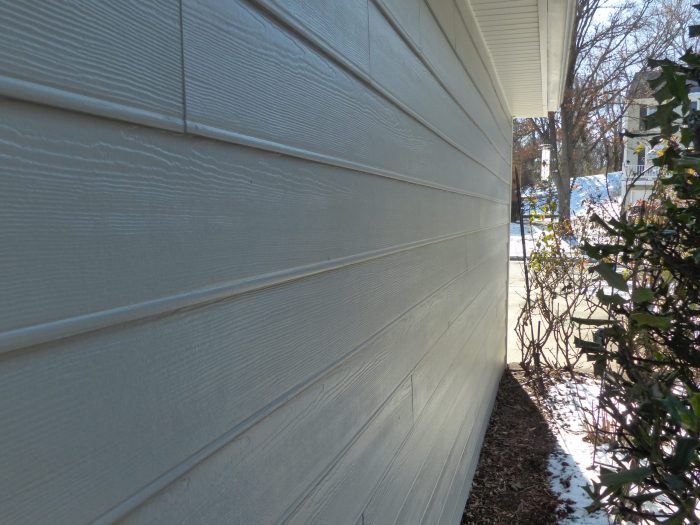
Hardie board, a popular choice for exterior siding and trim, boasts durability and longevity. Its performance stems directly from its unique composition and manufacturing process, which we’ll explore in detail here.
Hardie board, also known as fiber cement siding, is a composite material. This means it’s made from a blend of several different ingredients, each contributing to its final properties.
Hardie Board Composition
The primary components of Hardie board are Portland cement, cellulose fibers (typically from recycled wood pulp), and silica sand. These ingredients are mixed in precise proportions to achieve the desired strength, flexibility, and durability. In addition to these main components, other additives may be included to enhance specific properties, such as water resistance or color consistency. The exact formulation is proprietary to James Hardie, the manufacturer.
Hardie Board Manufacturing Process
The manufacturing process involves several key steps. First, the raw materials (cement, cellulose fibers, and sand) are thoroughly mixed with water. This mixture is then formed into sheets using a specialized process, often involving high-pressure molding. These sheets are then cured in a controlled environment, allowing the cement to fully hydrate and harden. This curing process is crucial for achieving the final strength and durability of the Hardie board. Finally, the cured sheets are cut to size, and in some cases, pre-finished with paint or a primer.
Comparison to Other Siding Materials
Unlike vinyl siding, which is a plastic-based material, or wood siding, which is a natural product, Hardie board is a composite material. Vinyl siding’s manufacturing process involves extruding molten plastic into the desired shapes. Wood siding, on the other hand, involves harvesting trees, milling the lumber, and then often treating it with preservatives. Hardie board’s manufacturing process, while involving industrial machinery, differs significantly from these other methods, resulting in a product with distinct advantages in terms of durability and resistance to fire, insects, and rot. It’s also more resistant to damage from harsh weather conditions than wood and less prone to cracking or fading than vinyl.
Environmental Impact of Hardie Board Manufacturing
The environmental impact of Hardie board manufacturing is a complex issue. While the use of recycled cellulose fibers is a positive aspect, the production process still involves energy consumption and the release of greenhouse gases from cement production. However, Hardie board’s durability and long lifespan contribute to a reduced need for frequent replacements, thus mitigating some environmental concerns associated with more frequent material disposal and manufacturing. The use of recycled materials in its composition also reduces the demand for virgin resources. A life cycle assessment comparing Hardie board to other siding materials would be necessary for a complete environmental impact comparison. However, many builders and consumers opt for Hardie board due to its longevity and reduced need for replacement, leading to a potentially smaller overall environmental footprint compared to materials that need more frequent replacement.
Hardie Board Properties and Performance
Source: nemeon.com
Hardie board, a type of fiber cement siding, boasts a compelling combination of strength, durability, and weather resistance. Understanding its physical properties and performance characteristics is crucial for architects, builders, and homeowners alike, enabling informed decisions about its suitability for various construction projects. This section details the key aspects of Hardie board’s performance, comparing it to other common building materials.
Physical Properties of Hardie Board
Hardie board’s superior performance stems from its unique composition. Its key physical properties include high density, contributing to its strength and impact resistance; excellent dimensional stability, minimizing warping and expansion; and inherent moisture resistance, protecting against water damage. The precise values for these properties can vary slightly depending on the specific Hardie board product and its thickness, but generally, Hardie board exhibits significantly higher density and strength compared to wood siding, and better moisture resistance than vinyl or aluminum. For example, a typical Hardie plank might have a density around 1300 kg/m³, a significantly higher value than most softwoods.
Fire Resistance and Fire-Retardant Properties
Hardie board is a non-combustible material, meaning it doesn’t contribute to the spread of fire. This inherent fire resistance makes it a safer choice for exterior cladding compared to wood, which is highly flammable. Its high density and non-organic composition prevent rapid ignition and combustion. Independent testing consistently demonstrates Hardie board’s superior fire performance, meeting or exceeding stringent building codes and fire safety standards in many regions. This inherent fire resistance significantly reduces the risk of fire damage and improves the overall safety of a building.
Durability and Longevity in Various Climates
Hardie board’s durability and longevity are exceptional across a wide range of climates. Its resistance to moisture, rot, and insect infestation makes it suitable for humid coastal regions as well as arid desert environments. The material’s ability to withstand extreme temperatures, UV radiation, and strong winds ensures its long-term performance. Unlike wood, which is susceptible to decay and insect damage, Hardie board maintains its structural integrity and aesthetic appeal over many years, minimizing the need for costly repairs or replacements. The manufacturer often provides warranties covering decades of performance, further demonstrating the product’s exceptional longevity.
Weather Resistance Compared to Alternative Materials
Hardie board offers superior weather resistance compared to many alternative materials. Its non-porous surface resists water penetration, preventing moisture damage and mold growth, unlike wood which absorbs moisture and is prone to rotting. Furthermore, Hardie board’s resistance to UV degradation surpasses that of vinyl siding, which can fade and crack over time due to prolonged sun exposure. Aluminum siding, while weather-resistant, can dent easily and is more susceptible to damage from hail or impacts compared to Hardie board. In extreme weather conditions, Hardie board’s robustness and resistance to damage make it a more reliable and long-lasting choice.
Lifespan Comparison of Building Materials, Hardie board
| Material | Estimated Lifespan (Years) | Factors Affecting Lifespan | Maintenance Requirements |
|---|---|---|---|
| Hardie Board | 50+ | Climate, installation quality | Minimal; occasional cleaning |
| Vinyl Siding | 20-30 | UV exposure, impact damage | Occasional cleaning, repairs |
| Wood Siding | 15-25 | Rot, insect infestation, weather damage | Regular painting, staining, repairs |
| Aluminum Siding | 30-40 | Dents, scratches, corrosion | Occasional cleaning, repairs |
Hardie Board Installation and Maintenance
Installing Hardie board siding offers a durable and attractive exterior for your home, but proper installation and maintenance are crucial for long-term performance. This section provides a step-by-step guide, best practices, common mistakes to avoid, and a maintenance schedule to ensure your Hardie board siding remains in top condition for years to come.
Hardie Board Siding Installation
This section details the process of installing Hardie board siding, a task best undertaken with at least two people due to the size and weight of the panels. Safety precautions, such as wearing appropriate personal protective equipment (PPE), including safety glasses and gloves, should always be prioritized.
- Preparation: Begin by ensuring a solid, properly prepared surface. This includes removing old siding, repairing any damaged sheathing, and installing appropriate house wrap for moisture protection. Proper flashing around windows and doors is essential to prevent water intrusion.
- Framing and Furring Strips: Install furring strips (typically 1x2s or 1x3s) horizontally over the sheathing, creating a consistent, even surface for the siding. This also allows for proper ventilation and prevents direct contact between the siding and the house wrap.
- Starting Course: Install the first course of Hardie board siding, ensuring proper alignment and spacing. Use galvanized nails specifically designed for Hardie board, driving them according to the manufacturer’s recommendations (usually 6 inches from each edge and every 8 inches along the panel). Avoid over-driving nails to prevent cracking.
- Subsequent Courses: Install subsequent courses, overlapping each course by the manufacturer’s recommended amount (typically 1/4 inch to 1/2 inch). Maintain consistent spacing and alignment throughout the installation process.
- Cutting and Fitting: Use a circular saw with a fine-toothed blade specifically designed for cutting fiber cement. Always wear a dust mask, as Hardie board produces significant dust during cutting. For intricate cuts, a jigsaw can be used, but it may produce more dust and require more precision.
- Finishing: Once all siding is installed, caulk all seams and joints with a high-quality exterior-grade caulk to prevent water penetration. Install trim pieces as needed, ensuring proper sealing and alignment.
Hardie Board Cutting and Shaping Techniques
Cutting Hardie board requires the right tools and techniques to prevent damage and ensure a clean, professional finish. Using improper techniques can lead to chipping, cracking, and other issues that compromise the siding’s integrity.
- Always use a fine-toothed blade in a circular saw or a jigsaw specifically designed for cutting fiber cement. A carbide-tipped blade is recommended for the best results.
- Score the material lightly before making the full cut to help prevent chipping. This is especially important for making curves or intricate shapes.
- Use a sharp utility knife for smaller, more precise cuts. However, this method is best suited for minor adjustments rather than large cuts.
- For curved cuts, consider using a jigsaw with a fine-toothed blade. Multiple passes might be necessary to achieve the desired curve without cracking the material.
- Always wear a dust mask and safety glasses to protect yourself from the dust generated during cutting.
Common Hardie Board Installation Mistakes
Avoiding common mistakes during installation is vital for preventing future problems and ensuring the longevity of your Hardie board siding. Neglecting proper preparation or using incorrect tools can lead to significant issues.
- Improper Nail Placement: Nails driven too close to the edges or too deeply can cause cracking. Follow the manufacturer’s recommendations for nail spacing and penetration depth.
- Insufficient Caulking: Inadequate caulking around seams and joints will allow water to penetrate, leading to damage and potential rot. Ensure all joints are properly sealed.
- Ignoring Flashing: Neglecting proper flashing around windows and doors creates pathways for water intrusion. Always install flashing correctly to prevent damage.
- Using Incorrect Tools: Using dull blades or inappropriate tools will lead to chipping and uneven cuts. Invest in the right tools for the job.
- Poor Preparation: Failure to properly prepare the surface before installation can result in uneven siding and poor adhesion. Address all underlying issues before starting installation.
Hardie Board Siding Maintenance Schedule
Regular maintenance is essential for preserving the beauty and integrity of your Hardie board siding. A simple maintenance schedule can significantly extend its lifespan.
- Annual Inspection: Inspect the siding annually for any signs of damage, such as cracks, loose nails, or water damage. Address any issues promptly.
- Regular Cleaning: Clean the siding at least once a year using a pressure washer set to a low pressure setting. Avoid using harsh chemicals, as they can damage the surface. A simple solution of water and mild detergent is usually sufficient.
- Caulk Repair: Inspect and repair any damaged caulk around seams and joints as needed. Use a high-quality exterior-grade caulk.
- Nail Repair: Replace any loose or damaged nails to prevent further damage and ensure the siding remains securely fastened.
- Paint/Stain Recoating: Recoat painted or stained Hardie board siding as recommended by the paint or stain manufacturer to maintain its appearance and protection from the elements. This may be every 5-10 years depending on the product and environmental conditions.
Tools and Materials for Hardie Board Installation and Maintenance
Having the right tools and materials on hand ensures a smooth and efficient installation and maintenance process. A well-stocked toolbox will make the job easier and safer.
- Measuring tape, level, chalk line
- Circular saw with fine-toothed blade, jigsaw
- Safety glasses, dust mask, gloves
- Galvanized nails specifically designed for Hardie board
- Exterior-grade caulk
- Pressure washer (low pressure setting)
- Mild detergent, brushes
- Ladder, scaffolding (as needed)
Hardie Board Applications and Uses
Hardie board, with its durability and versatility, finds applications across a wide spectrum of residential and commercial construction projects. Its resistance to moisture, fire, and insects makes it a preferred choice for various exterior and interior applications, contributing to both the longevity and aesthetic appeal of buildings. This section explores the diverse uses of Hardie board in different architectural contexts and building components.
Residential Applications of Hardie Board
Hardie board is a popular choice for siding in residential construction, offering a long-lasting and attractive alternative to traditional materials like wood. Its ability to withstand harsh weather conditions makes it ideal for homes in diverse climates. It’s also used extensively for trim, soffits, and fascia, providing a consistent and durable finish. The material’s ease of installation and maintenance further enhances its appeal for homeowners and builders alike.
Commercial Applications of Hardie Board
The robust nature of Hardie board makes it suitable for a range of commercial applications. From high-rise buildings to smaller commercial structures, its durability and low-maintenance characteristics make it a cost-effective solution. Often seen as cladding on office buildings, retail spaces, and even industrial structures, Hardie board offers a clean and modern aesthetic while providing excellent protection against the elements. Its fire resistance is also a significant factor in its use in commercial settings.
Hardie Board in Different Architectural Styles
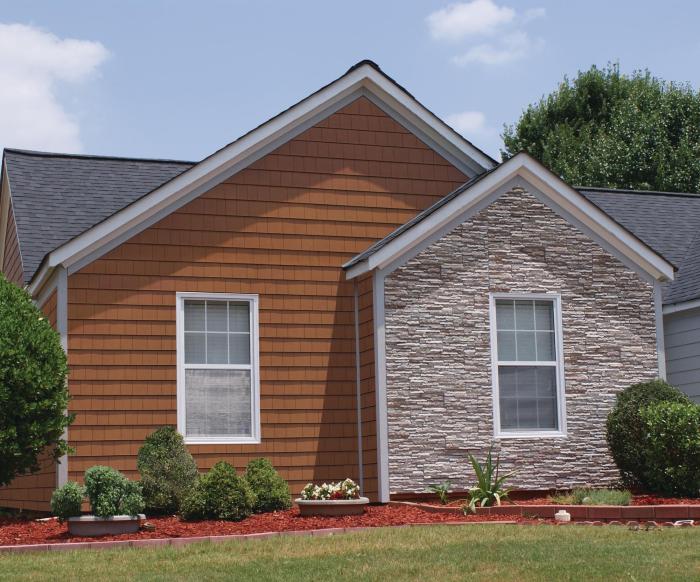
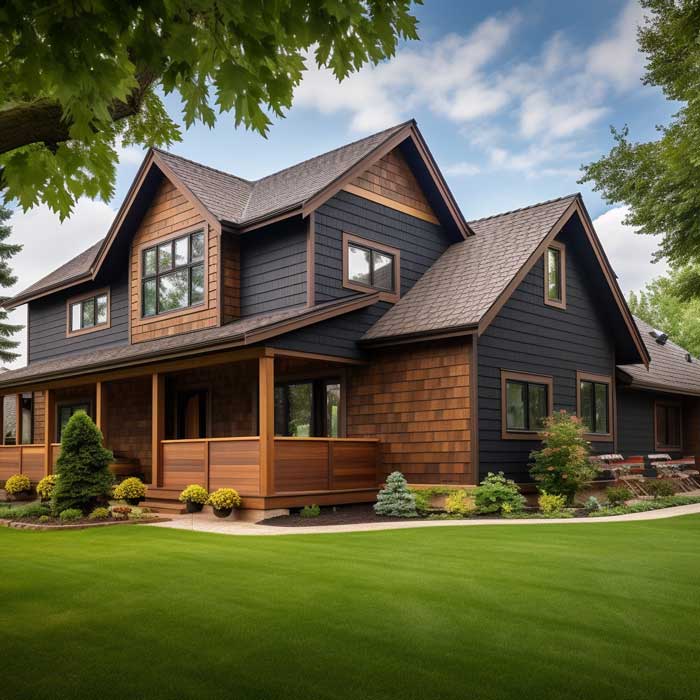
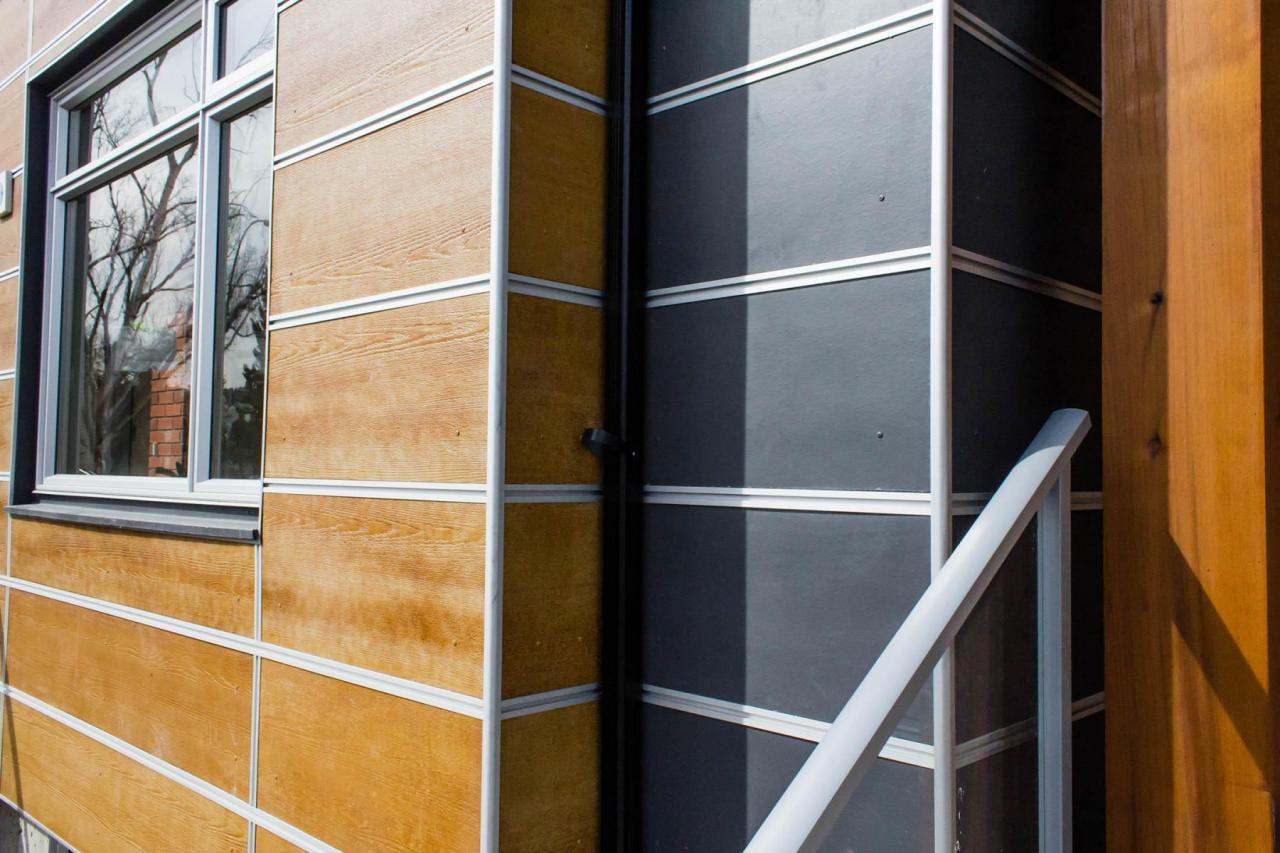
Hardie board’s adaptability makes it suitable for various architectural styles. Its versatility allows for diverse finishes and textures, mimicking the look of wood, stucco, or even brick. In traditional styles, Hardie board can be used to create classic clapboard or shingle siding. Modern designs often incorporate clean lines and smooth surfaces to achieve a contemporary look. The ability to paint Hardie board in a wide range of colors further enhances its adaptability to various architectural aesthetics.
Image 1: A craftsman-style home with Hardie board siding, showcasing intricate trim details and a warm, earthy color palette. The image highlights the versatility of Hardie board in replicating the look of wood siding while offering superior durability.
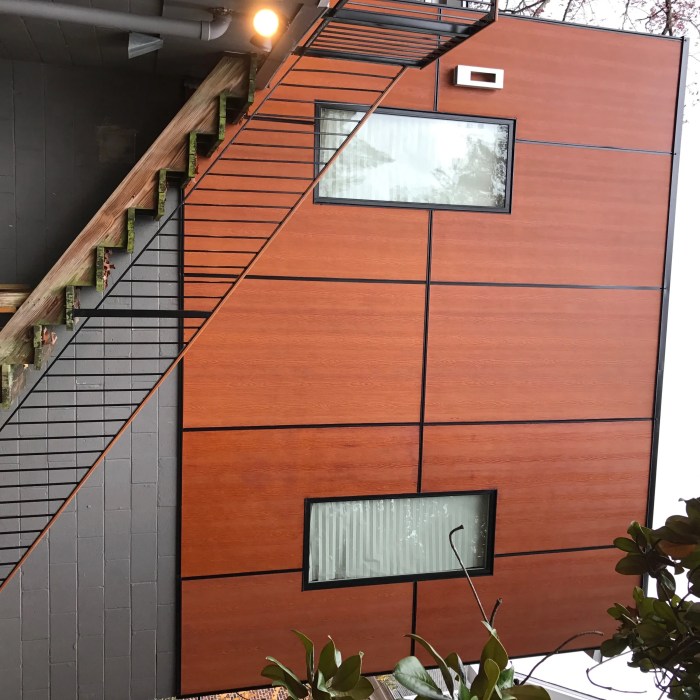
Image 2: A modern, minimalist home with sleek, grey Hardie board siding. The clean lines and smooth surface of the Hardie board emphasize the building’s contemporary architecture. The image showcases how Hardie board can be used to create a sophisticated and modern aesthetic.
Image 3: A Victorian-style home with Hardie board shingles, demonstrating the material’s ability to mimic the look of traditional roofing materials. The image highlights the detailed texture and rich color variations achievable with Hardie board, showcasing its versatility in different architectural styles.
Hardie Board in Specific Building Components
Hardie board’s applications extend beyond siding. It’s commonly used for soffits and fascia, providing a durable and weather-resistant finish to the underside of roof overhangs and the vertical edges of the roofline. Its resistance to moisture makes it ideal for these areas, preventing rot and decay. As trim, Hardie board provides a crisp, clean finish around windows, doors, and other architectural features. Its ability to withstand impacts and maintain its shape makes it a superior choice compared to wood trim.
Hardie Board in New Construction vs. Renovations
Hardie board is equally suitable for both new construction and renovation projects. In new construction, it can be integrated seamlessly into the building process, providing a durable and long-lasting exterior. In renovations, it offers a cost-effective way to upgrade the exterior of existing homes, improving both aesthetics and protection against the elements. Its ease of installation, even over existing siding in many cases, makes it a practical choice for renovation projects of varying scales.
Hardie Board Cost and Value
Source: carolinacolortones.com
Choosing the right siding for your home involves careful consideration of both upfront costs and long-term value. Hardie board, a fiber cement siding, presents a compelling option, but understanding its cost and how it compares to alternatives is crucial for making an informed decision. This section breaks down the cost factors, compares it to other materials, and explores the long-term return on investment.
Calculating Total Hardie Board Cost
Estimating the total cost of a Hardie board siding project requires factoring in both materials and labor. Material costs depend on the size of your home, the chosen Hardie board type (lap siding, shingles, panels, etc.), and regional pricing variations. Labor costs vary based on the complexity of the project, the installer’s experience, and your location. A good starting point is to obtain multiple quotes from reputable contractors. To illustrate, let’s consider a hypothetical 2,000 square foot house. Assuming a material cost of $8 per square foot (this can fluctuate significantly) and a labor cost of $5 per square foot (again, highly variable), the total cost would be approximately $26,000 ($8/sq ft + $5/sq ft) * 2000 sq ft. This is a rough estimate; always get personalized quotes from contractors for accurate pricing.
Hardie Board Cost Compared to Other Siding Options
Hardie board generally sits in the mid-to-high range of siding options. Vinyl siding is typically the least expensive, followed by aluminum siding. Wood siding, especially higher-quality options, can rival or exceed Hardie board’s cost. However, the long-term cost-effectiveness of Hardie board often surpasses these alternatives due to its superior durability and longevity. For instance, while vinyl might be cheaper initially, it’s more prone to damage and may require replacement sooner than Hardie board, negating the initial cost savings over time. Wood siding, while aesthetically pleasing, requires more frequent maintenance (painting, staining) compared to low-maintenance Hardie board.
Long-Term Value and Return on Investment
The long-term value proposition of Hardie board stems from its exceptional durability and resistance to weather damage, insects, and fire. Its extended lifespan translates to lower long-term maintenance costs and a higher resale value for your home. A properly installed Hardie board siding system can last for decades, minimizing the need for frequent replacements or repairs compared to other siding materials. This makes it a smart investment that adds significant value to your property over its lifetime. Consider this: a homeowner might save on maintenance costs over 30 years, potentially offsetting a higher initial investment.
Factors Influencing Hardie Board Installation Cost
Several factors significantly impact the overall cost of a Hardie board installation. These include the size and complexity of the house, the amount of prep work required (e.g., removing old siding), the type of Hardie board chosen, regional labor rates, and the contractor’s experience and overhead. For example, a home with intricate architectural details will require more labor, increasing the overall cost. Similarly, homes in areas with high labor costs will naturally have higher installation expenses.
Cost-Saving Strategies for Hardie Board Projects
Planning and smart choices can help mitigate the cost of a Hardie board project.
- Shop around for materials: Compare prices from different suppliers to find the best deals.
- Choose a simpler design: Avoid overly complex architectural features that increase labor costs.
- Consider DIY (if qualified): Installing Hardie board yourself can significantly reduce labor costs, but ensure you possess the necessary skills and safety precautions are taken.
- Schedule the project during the off-season: Contractors may offer discounts during slower periods.
- Bundle services: Some contractors offer discounts when multiple services (siding, window trim, etc.) are bundled together.
Epilogue
Source: presspage.com
Hardie board emerges as a strong contender for exterior siding, boasting superior durability, weather resistance, and fire protection. While the initial cost might be higher than some alternatives, its longevity and low maintenance requirements translate to significant long-term value. By carefully considering the factors Artikeld in this guide, you can confidently determine if Hardie board is the ideal solution for your building project, ensuring both aesthetic appeal and lasting performance.
Common Queries
Is Hardie board susceptible to termite damage?
Hardie board is resistant to termites and other wood-boring insects, unlike traditional wood siding.
Can Hardie board be painted?
Yes, Hardie board can be painted with exterior-grade paints designed for fiber cement. Proper priming is essential for optimal adhesion and longevity.
How do I clean Hardie board siding?
Regular cleaning with a garden hose and a soft brush is usually sufficient. For stubborn stains, use a mild detergent solution.
What is the warranty on Hardie board?
Warranty details vary depending on the specific product and region. Check the manufacturer’s website for the most up-to-date information.
Can I install Hardie board myself?
While possible for DIYers with some experience, professional installation is often recommended for a flawless finish and to ensure the warranty remains valid.