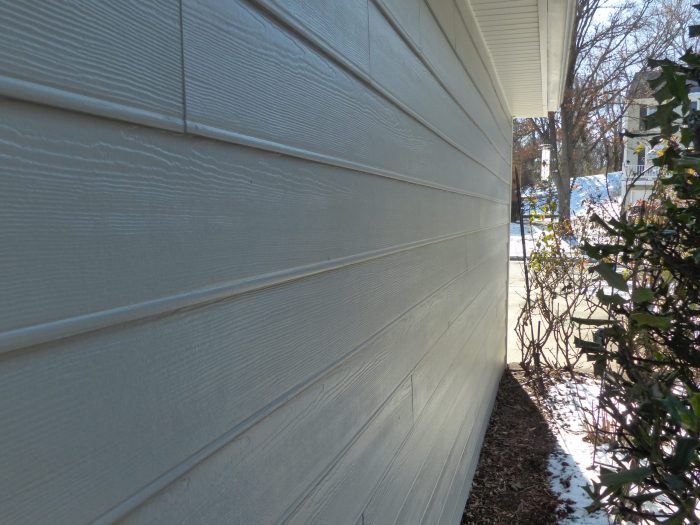
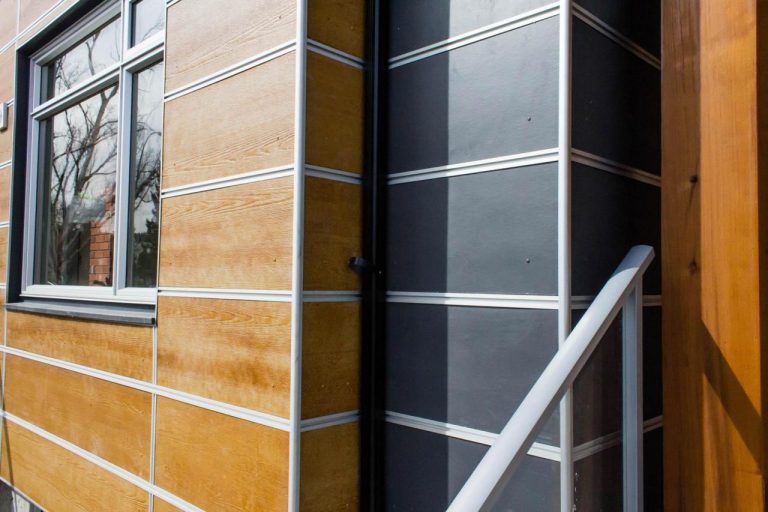
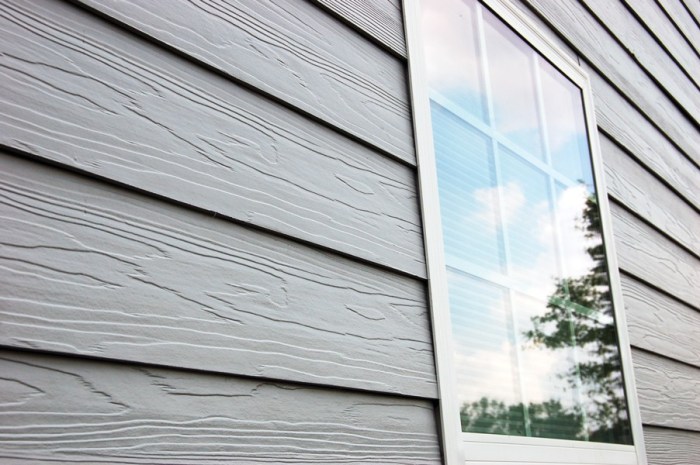
Cement Composite Siding A Comprehensive Guide
Cement composite siding offers a durable and attractive alternative to traditional siding materials. This guide dives into everything you need to know about this increasingly popular choice, from its composition and installation to its long-term cost-effectiveness and environmental impact. We’ll explore the benefits, address common concerns, and even peek into the future of this innovative building material. Get ready to learn why cement composite siding might be the perfect choice for your next project.
We’ll cover the manufacturing process, highlighting the key ingredients and how they contribute to the material’s unique properties. You’ll discover why it outperforms other options in terms of longevity and weather resistance. We’ll also examine its aesthetic versatility, showcasing how it can complement various architectural styles and design preferences.
Introduction to Cement Composite Siding
Cement composite siding is a durable and low-maintenance exterior cladding material made from a mixture of Portland cement, sand, cellulose fibers, and other additives. It offers a strong, long-lasting alternative to traditional wood, vinyl, or aluminum siding.
Cement composite siding is manufactured through a process involving several key steps. First, the raw materials are precisely mixed in a controlled environment. This mixture is then formed into panels using high-pressure molding techniques. After molding, the panels undergo a curing process, often involving steam or heat, to harden the cement and achieve the desired strength and durability. Finally, the cured panels are cut to size, and often receive a finish coat, such as paint or a textured surface, to enhance aesthetics and protection.
Advantages of Cement Composite Siding
Cement composite siding boasts several key advantages over other siding materials. Its superior durability stands out, resisting damage from impact, harsh weather, and insect infestation far better than wood or vinyl. This translates to a longer lifespan and reduced maintenance costs over the years. For example, a properly installed cement composite siding system could easily last 50 years or more, significantly exceeding the lifespan of many other options. Secondly, its fire resistance is exceptional. Unlike wood siding, cement composite siding is non-combustible, providing a crucial safety advantage, particularly in areas prone to wildfires. Finally, its low maintenance requirements save homeowners time and money. A simple cleaning with water and a mild detergent is usually all that’s needed to keep it looking its best, unlike the repainting or repairs frequently needed for wood or vinyl siding.
Material Composition and Properties
Source: deepbluehome.com
Cement composite siding, a durable and attractive exterior cladding option, is a blend of several key ingredients that contribute to its unique properties. Understanding these components is crucial for appreciating its performance and longevity compared to other siding materials. This section will detail the composition, compare its durability to alternatives, and explore the effects of different cement types.
A typical cement composite siding mixture consists primarily of Portland cement, which acts as the binder, holding everything together. This is combined with aggregates, such as sand and finely crushed stone, that provide bulk and strength. These aggregates are carefully graded to ensure a dense, strong final product. In addition, various additives, including fibers (like cellulose or synthetic fibers) and pigments, are incorporated to enhance the material’s properties. Fibers improve tensile strength and reduce cracking, while pigments provide color and aesthetic appeal. Finally, water is added to initiate the cement hydration process, which leads to hardening and setting of the mixture. The precise ratios of these components vary depending on the manufacturer and desired properties of the final product.
Cement Composite Siding Durability Compared to Vinyl and Wood
Cement composite siding boasts superior durability compared to both vinyl and wood siding. Unlike vinyl, which can become brittle and crack under extreme temperature fluctuations or impact, cement composite siding is highly resistant to impact damage and temperature changes. Its inorganic nature means it won’t warp, rot, or be affected by insects like wood siding. Wood, while aesthetically pleasing, is susceptible to moisture damage, rot, insect infestation, and requires regular maintenance like painting or staining. Cement composite siding offers significantly lower maintenance requirements and a longer lifespan.
Impact of Different Cement Types on Properties
The type of Portland cement used influences the final product’s properties. Different cement types have varying setting times, strengths, and heat of hydration. For instance, using a high-early-strength cement can result in faster curing times, allowing for quicker installation. However, it might also generate more heat during hydration, which could potentially affect the final product’s durability if not managed properly. Conversely, using a lower-heat cement might be preferred for larger projects to minimize the risk of cracking due to excessive heat generation. The choice of cement type is a critical factor in optimizing the manufacturing process and ensuring the desired performance characteristics.
Physical Properties Comparison
The following table summarizes the key physical properties of cement composite siding, vinyl siding, and wood siding. Note that these values can vary depending on the specific product and manufacturing process.
| Property | Cement Composite | Vinyl | Wood |
|---|---|---|---|
| Tensile Strength (MPa) | 10-15 | 2-5 | 5-15 (varies greatly by species) |
| Weight (kg/m²) | 30-40 | 1-3 | 20-40 (varies greatly by species and thickness) |
| Water Absorption (%) | <5 | <1 | 8-15 (varies greatly by species and treatment) |
Installation and Maintenance
Source: architizer.com
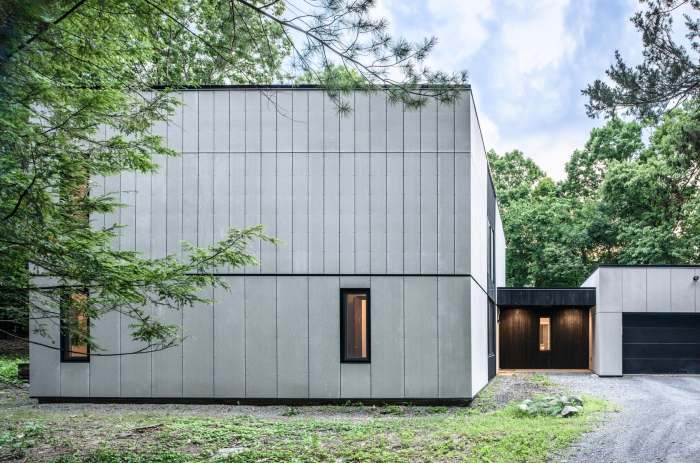
Installing cement composite siding is a moderately challenging DIY project, but professional installation is often recommended for larger areas or complex designs. Proper installation ensures longevity and protects your home. This section details the process and necessary maintenance.
Step-by-Step Installation Guide
Careful preparation is key to a successful installation. Begin by ensuring a solid, level surface on the underlying structure. Any irregularities will show through the siding. Follow the manufacturer’s instructions meticulously, as variations in installation techniques may exist between brands.
- Prepare the surface: Remove any old siding, trim, or debris. Repair any damaged sheathing or underlying structure. Ensure the wall is clean and dry.
- Install starter strips: These provide a level base for the first row of siding. Secure them according to manufacturer’s specifications, usually with nails or screws.
- Install the first row of siding: Align the first piece with the starter strip, ensuring proper spacing and overlap. Secure it using the recommended fasteners.
- Install subsequent rows: Continue installing rows, ensuring proper overlap and alignment. Use a level frequently to maintain a straight and even appearance.
- Install corner and trim pieces: Use specialized corner and trim pieces designed for cement composite siding to create a neat and finished look. Ensure proper alignment and secure fastening.
- Caulk and seal: Caulk all seams and gaps to prevent water penetration. Use a high-quality exterior-grade caulk.
- Inspect and finalize: Once installation is complete, inspect the entire area for any gaps, misalignments, or loose pieces. Make any necessary corrections.
Recommended Tools and Equipment
Having the right tools will significantly improve the efficiency and quality of your installation. Improper tools can lead to damage to the siding or a less professional finish.
- Measuring tape
- Level
- Circular saw (with appropriate blade for cutting cement composite siding)
- Drill with appropriate drill bits
- Hammer or impact driver
- Safety glasses
- Work gloves
- Caulk gun
- Utility knife
- Ladder (if needed)
Routine Maintenance Checklist
Regular maintenance will help to prolong the life of your cement composite siding and keep it looking its best. Neglecting maintenance can lead to premature damage and costly repairs.
- Annual Inspection: Check for any loose or damaged pieces, cracks, or signs of water damage.
- Cleaning: Wash the siding annually with a pressure washer using a low-pressure setting and a mild detergent. Avoid high-pressure settings, which can damage the surface.
- Caulk Inspection and Repair: Inspect caulking around seams and windows for cracks or gaps. Reapply caulk as needed.
- Repair Minor Damage: Address any minor chips or cracks promptly to prevent further damage. Use a suitable patching compound designed for cement composite siding.
Cleaning and Repairing Minor Damage
Minor damage, such as small chips or cracks, can often be repaired easily. For more extensive damage, it’s best to consult a professional.
Cleaning should be done using a soft-bristled brush and a mild detergent solution. Avoid abrasive cleaners that can scratch the surface. For more stubborn stains, a pressure washer with a low-pressure setting can be used. Always rinse thoroughly with clean water after cleaning.
To repair minor chips or cracks, use a patching compound specifically designed for cement composite siding. Follow the manufacturer’s instructions carefully. Apply the compound, let it dry completely, and then sand it smooth. Apply a matching paint if necessary to blend the repair seamlessly.
Design and Aesthetics: Cement Composite Siding
Cement composite siding offers a compelling blend of durability and aesthetic versatility, making it a popular choice for homeowners seeking a low-maintenance yet stylish exterior. Its ability to mimic the look of other materials, while offering superior longevity, opens up a wide range of design possibilities.
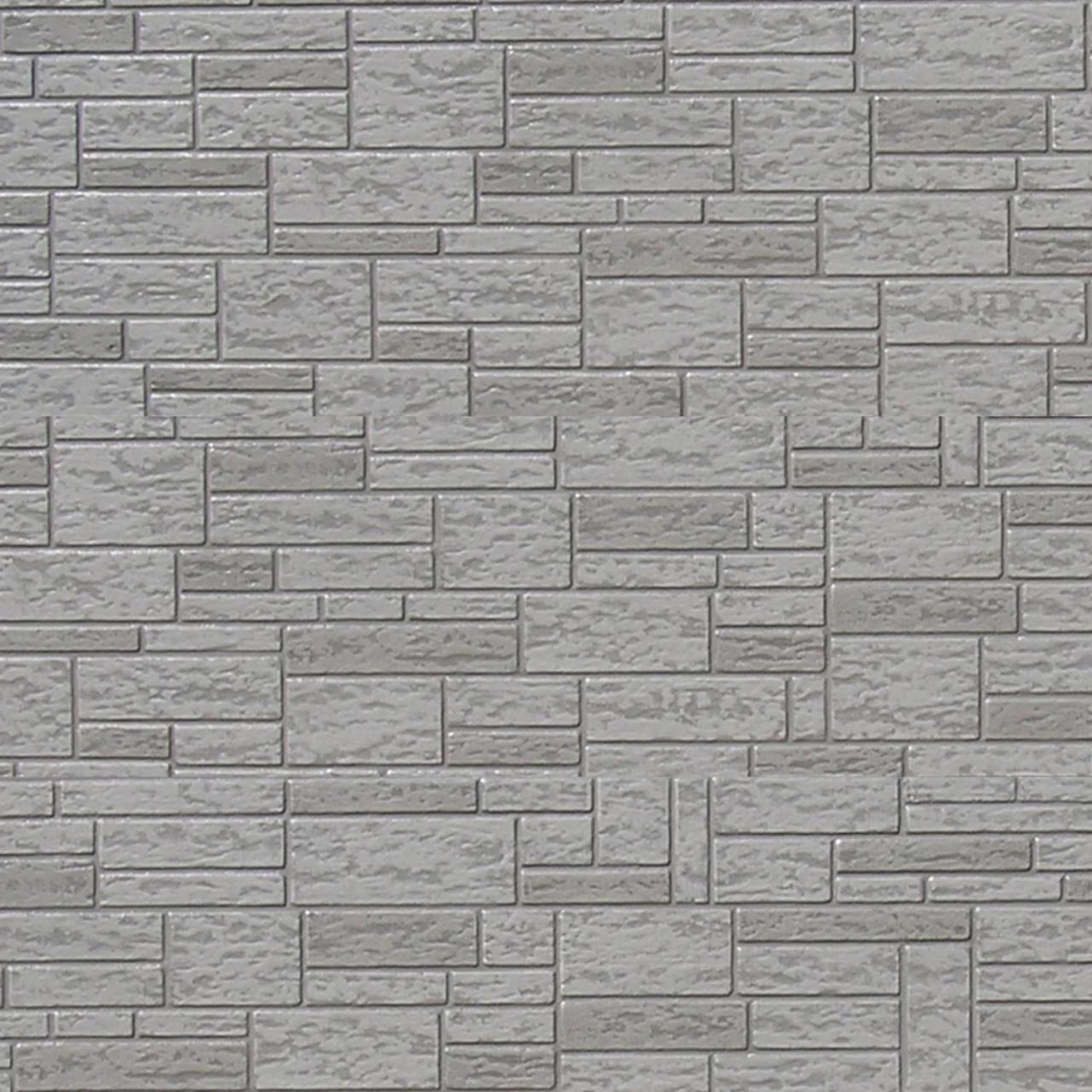
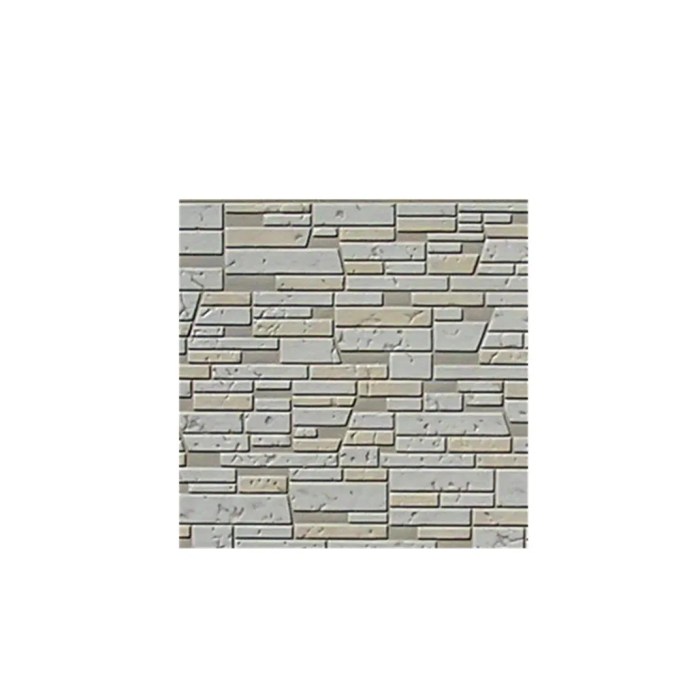
The inherent characteristics of cement composite siding allow for a diverse array of styles and colors. Manufacturers offer a wide palette of hues, from classic earth tones to modern, vibrant shades. The textured surfaces often replicate the appearance of natural materials like wood, stone, or stucco, providing a rich visual depth that traditional vinyl or aluminum siding often lacks.
Available Styles and Colors
Cement composite siding manufacturers produce a variety of profiles to match different architectural styles. These profiles range from traditional clapboard and shingle styles to more contemporary, sleek, and linear designs. Color options are extensive, encompassing subtle neutrals like greys, beiges, and browns, as well as bolder colors like deep blues, greens, and reds. Many manufacturers offer custom color matching services for a truly unique look.
Suitability for Different Architectural Styles
Cement composite siding’s adaptability makes it suitable for a broad spectrum of architectural styles. Its versatility shines in traditional homes, where it can emulate the look of wood clapboard or shingle siding with added durability. It also integrates seamlessly into modern designs, offering clean lines and a variety of colors to complement contemporary aesthetics. Furthermore, its ability to mimic stone or stucco makes it a fitting choice for craftsman, colonial, and even Mediterranean-style homes. The robust nature of the material also makes it ideal for homes in harsh weather conditions.
Integrating Cement Composite Siding with Other Building Materials
The ability to seamlessly integrate cement composite siding with other materials enhances its design flexibility. For example, combining cement composite siding with natural stone accents around windows and doorways creates a striking contrast and adds visual interest. The siding can also be paired with brick, creating a blend of textures and colors that adds depth and sophistication to the home’s facade. The key is to choose complementary colors and textures that work harmoniously together. A home might feature cement composite siding in a light grey, accented by darker grey stone around the entryway and window frames, creating a refined and elegant look.
Visual Description of a House Featuring Cement Composite Siding
Imagine a two-story Craftsman-style home nestled on a tree-lined street. The exterior is clad in rich, deep brown cement composite siding that beautifully mimics the texture of weathered wood shingles. The siding’s subtle variations in tone add depth and visual interest, avoiding a monotonous look. Around the windows and front porch, contrasting light-grey stone accents create a visually appealing border. The home’s eaves are detailed with dark brown trim, echoing the color of the siding and complementing the stone. The overall effect is a home that exudes warmth, sophistication, and enduring style – a blend of classic charm and modern resilience. The deep brown siding contrasts beautifully with the vibrant green lawn and mature landscaping, creating a harmonious and visually appealing scene. The home appears both inviting and substantial, a testament to the versatility and aesthetic appeal of cement composite siding.
Cost and Sustainability
Source: made-in-china.com
Cement composite siding presents a compelling option for homeowners, but understanding its cost and environmental impact is crucial for making an informed decision. This section will compare its pricing with other materials, analyze its long-term cost-effectiveness, and explore its environmental footprint and potential for sustainable practices.
Initial Cost Compared to Other Siding Options
Cement composite siding typically falls in the mid-to-high range compared to other siding materials. While more expensive upfront than vinyl or wood, it often costs less than high-end options like brick or stone. For example, a rough estimate for cement composite siding installation might range from $8 to $15 per square foot, while vinyl siding could cost $3 to $10 per square foot, and wood siding might range from $7 to $20 per square foot. These figures vary significantly based on factors such as labor costs, regional differences, and the complexity of the installation. The added durability and longevity of cement composite siding, however, can offset the higher initial investment over time.
Long-Term Cost-Effectiveness
The long-term cost-effectiveness of cement composite siding hinges on its exceptional durability and low maintenance requirements. Unlike wood siding, which requires regular painting and potential repairs due to rot or insect damage, cement composite siding is highly resistant to these issues. This significantly reduces long-term maintenance costs. Its impressive lifespan, often exceeding 50 years, further contributes to its cost-effectiveness. While occasional cleaning might be necessary, the absence of major repairs or replacements over decades makes it a financially sound choice in the long run. Consider the cumulative savings on maintenance and replacement over several decades compared to less durable alternatives.
Environmental Impact of Production and Disposal
The manufacturing of cement composite siding involves the production of cement, a process known to be energy-intensive and a significant source of carbon dioxide emissions. The extraction and processing of other raw materials also contribute to the environmental footprint. However, the durability of the siding reduces the need for frequent replacements, lessening the overall environmental impact compared to materials with shorter lifespans requiring more frequent manufacturing and disposal. Proper disposal of cement composite siding at designated recycling facilities, when available, helps minimize landfill waste.
Improving the Sustainability of Cement Composite Siding Manufacturing
Several strategies can enhance the sustainability of cement composite siding production. Using supplementary cementitious materials (SCMs) like fly ash or slag in cement production can reduce the carbon footprint. These SCMs are industrial byproducts that can partially replace Portland cement, lowering both energy consumption and CO2 emissions. Furthermore, manufacturers are exploring the use of recycled materials in the composite mix, further reducing the environmental impact. Investing in energy-efficient manufacturing processes and improving transportation logistics also play a role in minimizing the overall environmental footprint of cement composite siding.
Common Issues and Troubleshooting
Cement composite siding, while durable, isn’t immune to problems. Understanding potential issues and how to prevent or address them is crucial for maintaining its longevity and aesthetic appeal. Proper installation and regular maintenance are key to minimizing these problems.
Many issues stem from improper installation, exposure to the elements, or lack of routine care. Knowing what to look for and how to react can save you significant time, money, and frustration down the line.
Cracking
Cracks in cement composite siding can result from several factors, including improper installation (inadequate expansion gaps, insufficient support), extreme temperature fluctuations causing expansion and contraction, and impact damage. Preventing cracking involves ensuring correct installation techniques are followed, using appropriate expansion joints to accommodate movement, and protecting the siding from physical impacts. Repairing cracks often involves using a compatible patching compound, carefully matching the color and texture. Larger cracks might require replacement of the affected panel.
Fading, Cement composite siding
Cement composite siding can fade over time due to prolonged exposure to UV radiation from sunlight. This is particularly noticeable in areas with intense sun exposure. Preventing fading involves using siding with UV-resistant pigments, applying a protective sealant, and minimizing direct sunlight exposure where possible (e.g., through strategic landscaping or shading). In cases of significant fading, repainting or replacing the affected panels might be necessary. Note that some degree of color change is normal over time, but severe fading suggests a problem.
Water Damage
Water damage can manifest as staining, blistering, or even structural damage. This is usually caused by inadequate caulking around windows and doors, damaged flashing, or gaps in the siding itself. Prevention involves ensuring proper sealing and flashing during installation and regular inspection for any signs of water penetration. Addressing water damage may require removing and replacing affected panels, repairing damaged flashing, and re-caulking. Thorough drying of the affected area is also essential to prevent mold growth.
Discoloration
Discoloration beyond fading can be caused by mildew, algae, or other environmental contaminants. Regular cleaning with a mild detergent and water can usually prevent and address this. For stubborn stains, a specialized siding cleaner might be necessary. In cases of severe discoloration that doesn’t respond to cleaning, replacement of the affected panels may be the best solution.
Troubleshooting Steps
A systematic approach to troubleshooting is essential. Here’s a suggested workflow:
- Identify the problem: Carefully examine the affected area to determine the nature and extent of the damage (crack, stain, discoloration, etc.).
- Determine the cause: Consider factors such as installation flaws, environmental exposure, or impact damage.
- Consult the manufacturer’s instructions: The manufacturer’s guidelines often provide specific recommendations for addressing common issues.
- Attempt a simple solution: Start with less invasive methods like cleaning or applying a sealant before considering more drastic measures.
- Consider professional help: If the problem is severe or you’re unsure how to proceed, consult a qualified siding contractor.
Future Trends and Innovations
Source: adornmenthomes.com
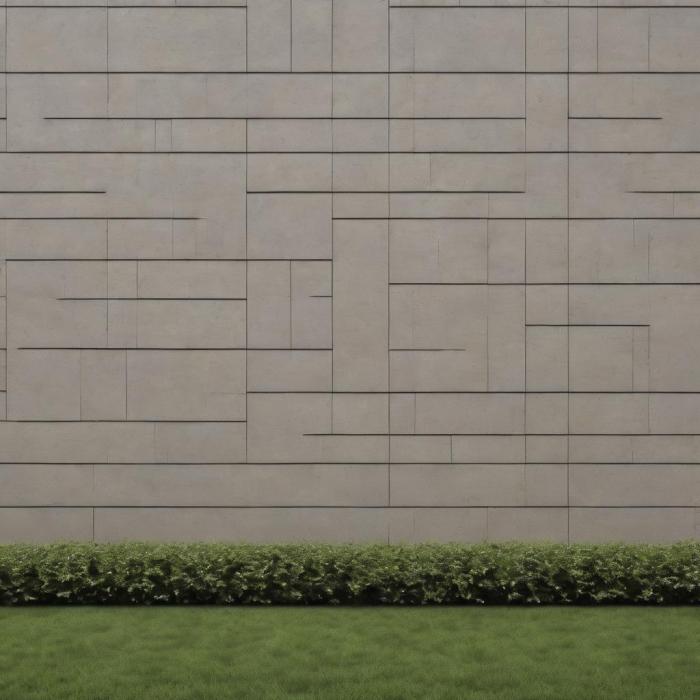
Cement composite siding, a durable and aesthetically pleasing exterior cladding option, is poised for significant advancements. The industry is witnessing a convergence of technological innovation and a growing demand for sustainable building materials, driving exciting changes in both manufacturing and design. These developments promise to further enhance the performance, versatility, and environmental profile of cement composite siding.
The future of cement composite siding hinges on several key areas. Improvements in manufacturing processes will lead to lighter, stronger, and more easily installed products. Simultaneously, design innovations are expanding the aesthetic possibilities, allowing for greater architectural expression. These combined efforts are expected to increase market demand and solidify cement composite siding’s role in sustainable construction.
Enhanced Manufacturing Processes
Significant advancements are anticipated in the manufacturing process of cement composite siding. For example, the incorporation of nanomaterials into the cement matrix could lead to significantly improved strength and durability, while reducing the overall weight of the panels. This would simplify installation and reduce transportation costs. Furthermore, research into alternative cement binders, such as geopolymers, offers the potential for reducing the carbon footprint associated with cement production. Imagine a future where cement composite siding is not only durable but also actively contributes to a lower carbon footprint for buildings. This shift is already underway, with several companies exploring these sustainable alternatives. For instance, some manufacturers are experimenting with incorporating recycled materials into the mix, such as fly ash or ground granulated blast furnace slag, further decreasing the environmental impact.
Innovative Design and Aesthetics
Design innovations are expanding the range of textures, colors, and patterns available in cement composite siding. The use of advanced 3D printing techniques could enable the creation of highly intricate and customizable designs, allowing architects and homeowners greater freedom in expressing their aesthetic preferences. We can envision a future where cement composite siding mimics the appearance of natural materials like wood or stone with exceptional realism, offering the durability of cement with the aesthetic appeal of more traditional materials. Moreover, the development of self-cleaning coatings could further enhance the longevity and maintenance-free characteristics of the siding, reducing the long-term costs associated with cleaning and upkeep.
Market Demand Projections
The market demand for cement composite siding is projected to grow steadily over the next decade, driven by several factors. The increasing awareness of the importance of sustainable building practices will contribute to the adoption of environmentally friendly materials like cement composite siding. Furthermore, the material’s inherent durability and resistance to extreme weather conditions make it an attractive option in various climates. For example, in regions prone to hurricanes or wildfires, the resilience of cement composite siding provides a significant advantage over other cladding materials. The rising construction activity in developing countries also presents a significant opportunity for market expansion. Already, we see increased use in rapidly growing urban centers where durable and low-maintenance building materials are highly valued.
Sustainable Building Practices
Cement composite siding plays a vital role in promoting sustainable building practices. Its durability reduces the need for frequent replacements, minimizing waste and resource consumption. The incorporation of recycled materials in the manufacturing process further reduces the environmental impact. Moreover, the material’s ability to reflect sunlight can contribute to energy savings by reducing the cooling load on buildings. The potential for incorporating features like integrated solar panels into the siding represents a significant opportunity to create truly energy-efficient buildings. Several companies are actively exploring these possibilities, demonstrating a commitment to developing innovative and sustainable building solutions. This aligns with the growing global focus on reducing carbon emissions and promoting environmentally responsible construction.
Last Recap
Cement composite siding presents a compelling option for homeowners and builders seeking a low-maintenance, long-lasting, and aesthetically pleasing exterior. While initial costs may be slightly higher than some alternatives, the superior durability and minimal maintenance requirements translate to significant long-term savings. Its environmentally friendly attributes further enhance its appeal. By understanding its properties, installation, and potential issues, you can confidently decide if cement composite siding is the right fit for your needs. Let’s build something amazing together!
Commonly Asked Questions
Is cement composite siding prone to cracking?
While durable, improper installation or extreme temperature fluctuations can cause cracking. Proper installation and expansion joint placement are crucial to prevent this.
How do I clean cement composite siding?
Regularly clean with a mild detergent and water solution using a soft brush or sponge. Avoid harsh chemicals or pressure washers.
Can I paint cement composite siding?
Yes, but it’s crucial to use paints specifically designed for cement-based materials to ensure proper adhesion and longevity.
What is the lifespan of cement composite siding?
With proper maintenance, cement composite siding can last 50 years or more, significantly outlasting many other siding options.
Is cement composite siding recyclable?
While not widely recycled currently, some manufacturers are exploring options for recycling or repurposing the material at the end of its life.