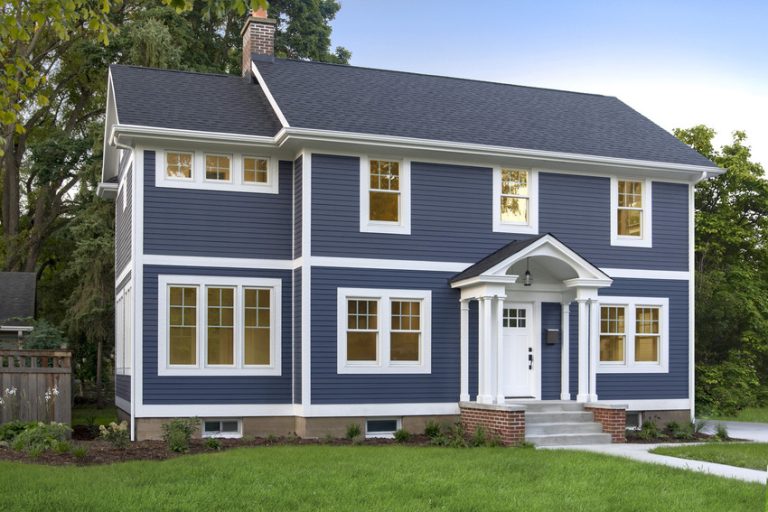
Concrete Fiberboard Siding A Comprehensive Guide
Concrete fiberboard siding offers a durable and attractive alternative to traditional siding materials. This guide dives into everything you need to know, from understanding its composition and installation to maintenance and design considerations. We’ll explore its strengths, weaknesses, and how it stacks up against wood, vinyl, and aluminum. Get ready to learn about this increasingly popular choice for home exteriors!
We’ll cover the manufacturing process, exploring the different fiber types and their influence on the siding’s performance. We’ll also compare its strength and durability to other options, examining its moisture resistance and suitability for various climates. This guide is designed to equip you with the knowledge to make an informed decision about whether concrete fiberboard siding is right for your next project.
Material Composition and Properties of Concrete Fiberboard Siding
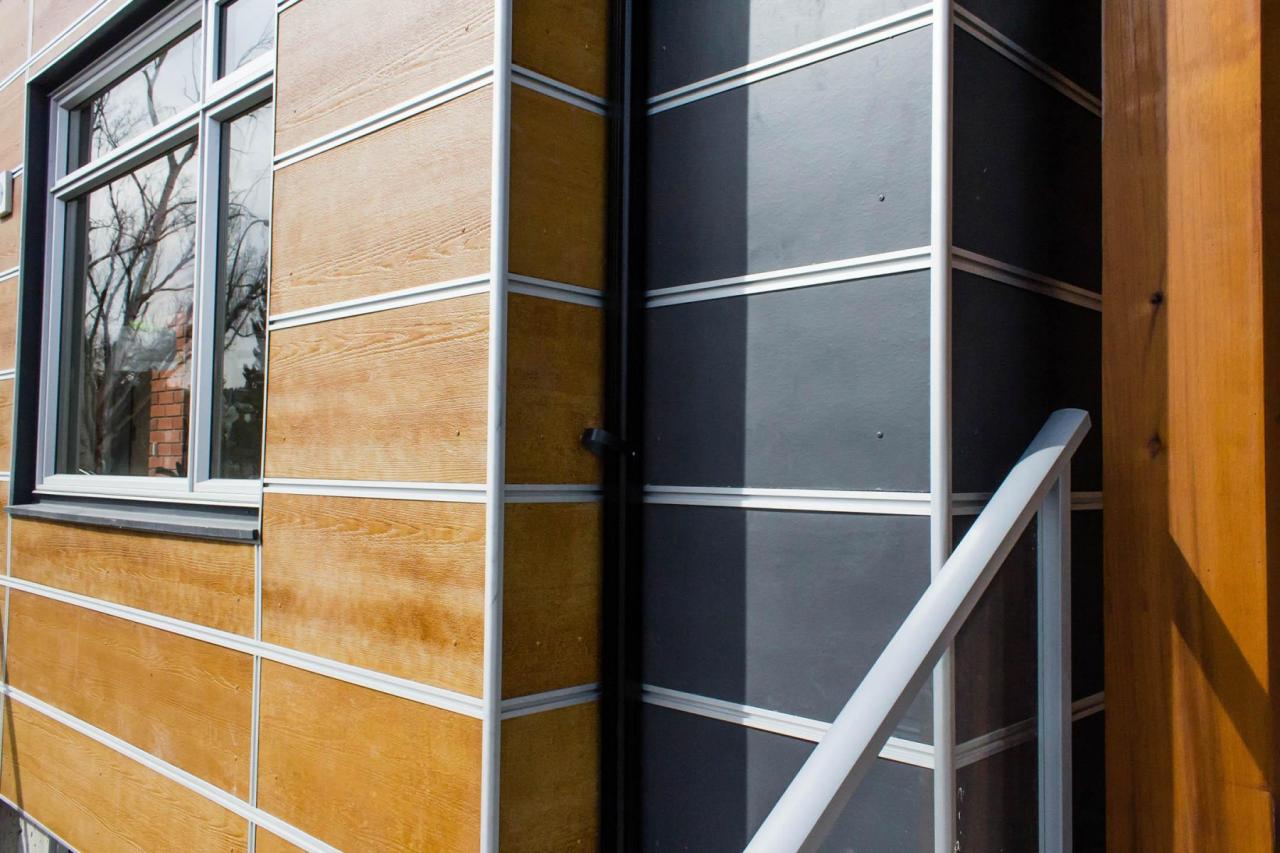
Source: presspage.com
Concrete fiberboard siding offers a durable and low-maintenance exterior cladding option for homes and buildings. Its strength and weather resistance stem from a unique combination of materials and a specific manufacturing process. Let’s delve into the details.
Manufacturing Process of Concrete Fiberboard Siding
The production of concrete fiberboard siding begins with mixing Portland cement, fine aggregates (like sand), and water. Different types of fibers are then added to this mixture to enhance its strength and flexibility. This slurry is then poured into molds and compacted under high pressure to remove air pockets and ensure a uniform density. The formed panels are then cured in a controlled environment, typically involving steam curing to accelerate the cement hydration process. Finally, the cured panels are cut to size, and the edges may be treated to improve water resistance. The entire process is designed to create a strong, lightweight, and relatively stable product.
Types of Fibers Used and Their Impact on Performance
Several types of fibers are incorporated into concrete fiberboard siding to improve its properties. Common choices include cellulose fibers (from recycled paper), wood fibers, and synthetic fibers like polypropylene or glass fibers. Cellulose fibers add bulk and improve workability during the mixing process. Wood fibers contribute to tensile strength and dimensional stability. Synthetic fibers, particularly polypropylene, offer excellent resistance to rot and decay, extending the lifespan of the siding. The specific fiber type and its proportion within the mixture significantly influence the final product’s performance characteristics, including strength, flexibility, and durability.
Compressive and Tensile Strength Compared to Other Siding Materials
Concrete fiberboard siding boasts impressive compressive strength, meaning it can withstand significant pressure without crushing. Its tensile strength, while not as high as its compressive strength, is still notably higher than that of wood siding. Compared to vinyl siding, concrete fiberboard offers superior impact resistance and is less prone to dents or cracks. Aluminum siding, though possessing high tensile strength, can be more susceptible to denting. The exact strength values vary depending on the specific formulation and manufacturing process, but concrete fiberboard generally falls within a range that makes it a robust choice for exterior cladding.
Moisture Resistance and Durability in Various Climates
Concrete fiberboard siding exhibits excellent resistance to moisture, thanks to its inherent properties and the manufacturing process. The dense, homogenous structure of the material prevents water penetration, minimizing the risk of rot, mold, and mildew growth. Its durability makes it suitable for a wide range of climates, from extremely hot and dry to cold and humid. However, proper installation is crucial to maintain this moisture resistance. Effective sealing and flashing around windows and doors are essential to prevent water intrusion, which can compromise the long-term performance of any siding material.
Comparative Properties of Siding Materials
| Property | Concrete Fiberboard | Wood | Vinyl | Aluminum |
|---|---|---|---|---|
| Compressive Strength | High | Medium | Low | Medium |
| Tensile Strength | Medium-High | Low-Medium | Low | High |
| Moisture Resistance | High | Low | High | High |
| Durability | High | Medium (with maintenance) | Medium | High |
| Maintenance | Low | High | Low | Low |
| Cost | Medium-High | Medium | Low-Medium | Medium-High |
Installation Methods and Techniques

Source: thespruce.com
Installing concrete fiberboard siding is a relatively straightforward process, but proper preparation and technique are crucial for a long-lasting, attractive finish. This section outlines the steps involved, best practices, and considerations for different fastening methods.
Wall Surface Preparation
Before you even think about attaching the siding, you need a clean, dry, and properly prepared wall surface. This involves removing any loose or damaged materials, such as old siding, paint, or plaster. Any unevenness should be addressed with patching compound, allowing ample drying time before proceeding. Furthermore, ensure the underlying sheathing is sound and structurally capable of supporting the weight of the siding. Cleaning the surface with a pressure washer can remove dirt and debris, creating a better bond for the siding. Finally, addressing any moisture issues is vital; water damage can lead to premature failure of the siding and compromise the structural integrity of the wall.
Step-by-Step Installation Guide
The installation process generally follows these steps:
- Establish a Baseline: Begin by establishing a level baseline at the bottom of the wall. This will ensure that the entire siding installation remains plumb and straight.
- Install Starter Strips: Attach starter strips along the baseline to provide a consistent starting point for the first row of siding.
- Install the First Row: Position the first row of siding against the starter strip, ensuring proper alignment and spacing. Secure it using appropriate fasteners.
- Continue Installation: Continue installing subsequent rows, overlapping each panel according to manufacturer’s instructions. Maintain consistent spacing and alignment.
- Install Corner and Trim Pieces: Install corner pieces and trim according to the manufacturer’s instructions and the visual guide below. Ensure proper alignment and secure fastening.
- Caulk and Seal: Apply caulk to seal all joints and gaps between siding panels and trim pieces. This prevents water penetration and enhances the overall aesthetic.
Fastening Methods
Several fastening methods exist for concrete fiberboard siding. The choice depends on factors like the type of siding, the wall material, and the climate. Common methods include:
- Nails: Galvanized nails are often used, chosen for their corrosion resistance. Nail placement should be consistent and according to the manufacturer’s specifications to avoid damage to the siding.
- Screws: Screws provide a more secure fastening, especially in areas prone to high winds or movement. They allow for some adjustment during installation and can offer better resistance to pull-out.
- Staples: While less common, staples can be used in some applications, but require specialized tools and care to avoid damage to the siding.
Corner and Trim Installation
Below is a text-based representation of proper corner and trim installation. Imagine this as a side view of a corner.
“`
+—–+
| | <– Siding Panel
| |
+—–+—–+
| | <– Corner Piece
+—–+—–+
| | <– Siding Panel
| |
+—–+
+——-+
| | <– Siding Panel
| |
+——-+——-+
| | <– Trim Piece
+—————+
“`
The corner piece is installed to neatly cover the edge of the siding at the corner. Trim pieces are typically used at the bottom and top edges of the siding, providing a clean, finished look and protecting the exposed edges of the panels. Both should be securely fastened.
Tools and Materials Checklist
Proper preparation is key. Here’s a checklist to ensure you have everything you need:
- Concrete fiberboard siding panels
- Starter strips
- Corner and trim pieces
- Galvanized nails or screws
- Measuring tape
- Level
- Drill (if using screws)
- Hammer (if using nails)
- Caulk gun
- Caulk
- Safety glasses
- Work gloves
- Utility knife
Maintenance and Repair of Concrete Fiberboard Siding
Concrete fiberboard siding, while durable, requires regular maintenance to keep it looking its best and extending its lifespan. Proper care will prevent costly repairs down the line and maintain the aesthetic appeal of your home. This section details common maintenance procedures, cleaning methods, repair techniques, and preventative measures.
Cleaning and Stain Removal
Cleaning concrete fiberboard siding is relatively straightforward. Regular cleaning involves using a garden hose with a nozzle to remove loose dirt and debris. For more stubborn dirt or mildew, a solution of mild detergent and water applied with a soft-bristled brush is effective. Always rinse thoroughly afterward to prevent detergent residue. For specific stains, such as oil or grease, a degreasing agent followed by a thorough rinsing is recommended. For more persistent stains, a pressure washer can be used, but maintain a safe distance to avoid damaging the siding. Remember to always test any cleaning solution on a small, inconspicuous area first to ensure it doesn’t damage the finish. Avoid abrasive cleaners or harsh chemicals, as these can scratch or dull the surface.
Potential Issues and Repair Solutions
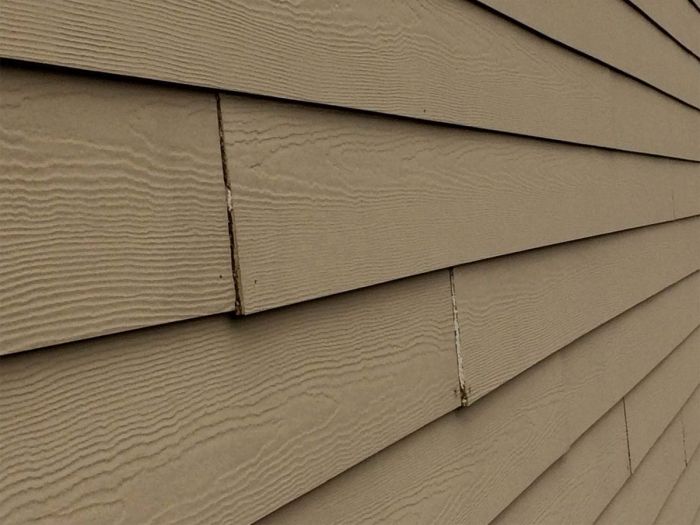
Over time, concrete fiberboard siding can experience some minor issues. Cracks, chips, and loose panels are the most common problems. Small cracks can often be repaired using a high-quality exterior-grade caulk that matches the siding’s color. Apply the caulk neatly, smoothing it out with a wet finger or a caulking tool. For larger cracks or chips, a patching compound designed for concrete may be necessary. The damaged area should be cleaned thoroughly before applying the patching compound, and the repair should be allowed to dry completely before painting or sealing. If a panel becomes loose, it might require refastening with appropriate screws or nails. In cases of significant damage, replacement of the affected panel may be required. This often involves carefully removing the damaged panel and installing a new one, ensuring proper alignment and fastening.
Repairing Minor Cracks or Damage
Repairing minor cracks is a simple DIY project. Begin by cleaning the crack thoroughly with a wire brush to remove any loose debris. Apply a suitable exterior-grade caulk that matches the color of your siding. Use a caulking gun to apply a thin, even bead of caulk, filling the crack. Smooth the caulk with a damp finger or a caulking tool, ensuring a seamless finish. Allow the caulk to cure completely according to the manufacturer’s instructions before painting or sealing, if necessary. For larger cracks or damage exceeding a few inches, professional assistance is recommended to ensure a durable and aesthetically pleasing repair.
Preventative Maintenance
Regular preventative maintenance can significantly extend the life of your concrete fiberboard siding. Following these steps will help keep your siding looking great and functioning properly for years to come:
- Inspect your siding at least twice a year, looking for any signs of damage or deterioration.
- Clean your siding regularly, removing dirt, debris, and mildew.
- Repair any minor cracks or damage promptly to prevent them from worsening.
- Caulk around windows and doors annually to prevent water infiltration.
- Trim overhanging branches that could damage the siding.
- Consider applying a sealant every few years to protect the siding from the elements.
Aesthetic Considerations and Design Applications
Concrete fiberboard siding offers a surprisingly versatile palette for enhancing a building’s aesthetic appeal. Its durability and low-maintenance nature are complemented by a range of color and texture options, allowing for diverse design applications across various architectural styles. Understanding these options is key to maximizing the material’s potential and achieving the desired visual impact.
Color and Texture Options
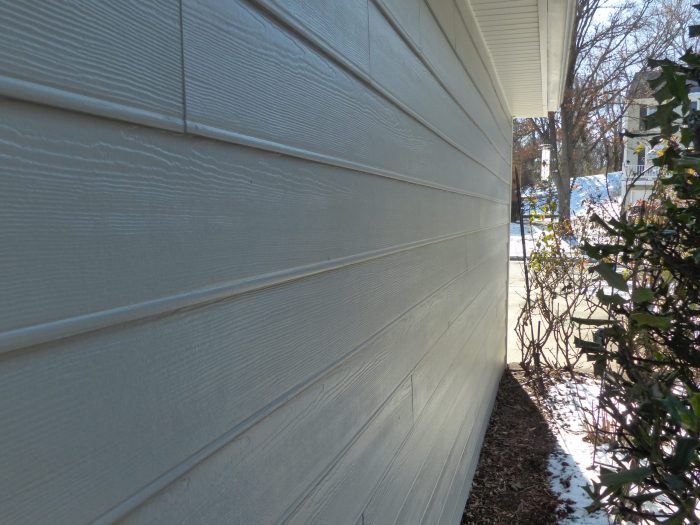
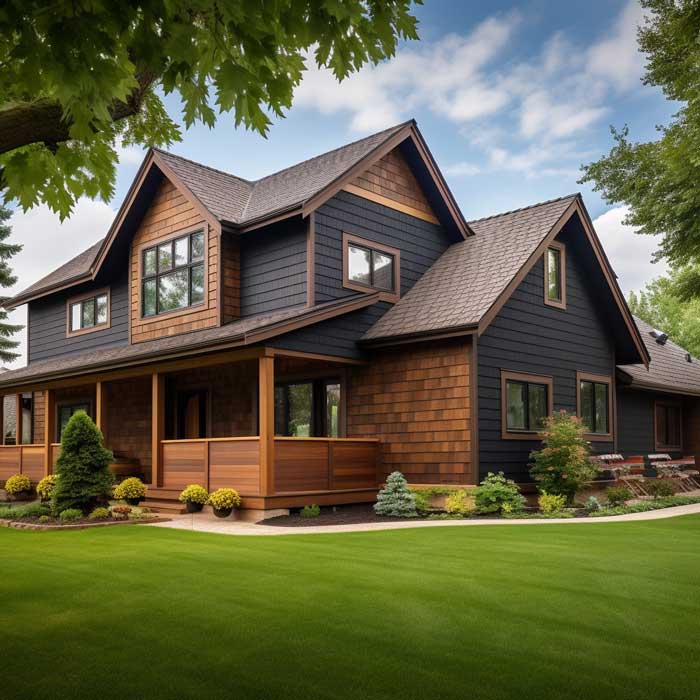
Concrete fiberboard siding is available in a wide spectrum of colors, often achieved through the addition of pigments during the manufacturing process. These colors are generally fade-resistant and designed to withstand the elements. Textures also vary significantly, ranging from smooth, almost stucco-like finishes to those mimicking the look of wood grain or natural stone. This variety allows for a high degree of customization to suit different architectural tastes and project requirements. For instance, a smooth, light gray finish might be ideal for a modern minimalist home, while a textured, dark brown option could complement a rustic farmhouse design.
Architectural Styles and Applications
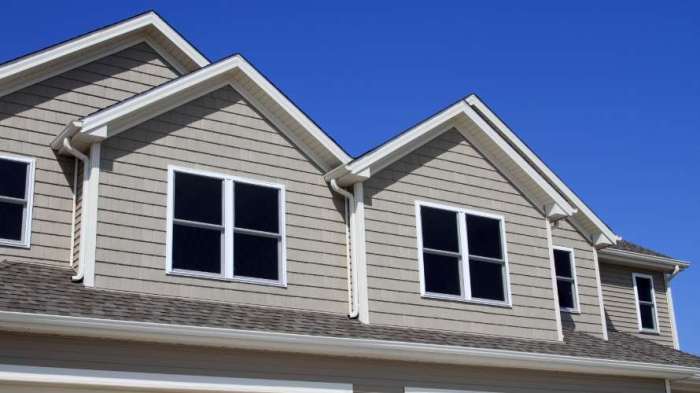
Concrete fiberboard siding’s adaptability makes it suitable for a broad range of architectural styles. Its clean lines and versatility lend themselves well to contemporary designs, while textured options can effectively enhance traditional styles like Craftsman or Farmhouse. For example, a smooth, light-colored concrete fiberboard siding could be used on a modern, angular home, creating a sleek and minimalist look. Conversely, a darker, wood-grained texture could be used on a more traditional home, blending seamlessly with surrounding landscaping and other natural materials. The ability to mimic other materials, such as brick or stone, also opens up design possibilities for historically-inspired buildings.
Integration with Other Building Materials
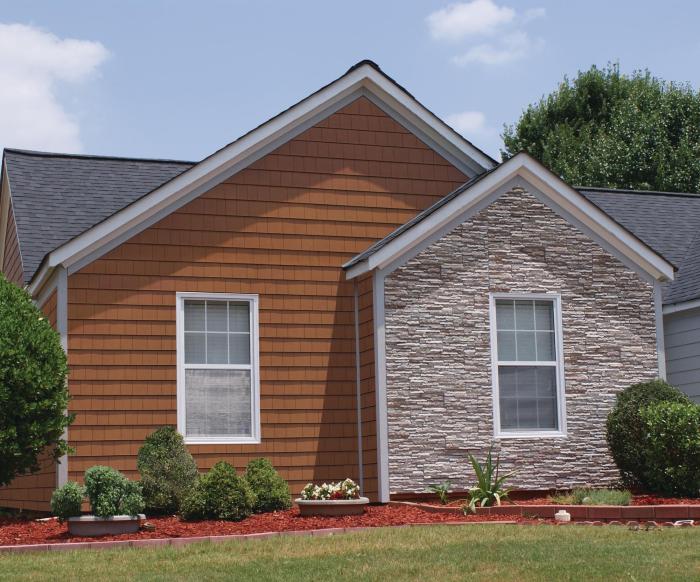
Concrete fiberboard siding integrates seamlessly with a variety of other building materials. Its neutral tones and diverse textures make it a compatible partner for brick, stone, wood, stucco, and metal accents. A common design strategy involves using concrete fiberboard siding as the primary cladding material, then incorporating contrasting elements like a stone or brick foundation, wood trim around windows and doors, or metal accents for a modern touch. This creates visual interest and allows for the expression of diverse design elements within a single structure. Consider, for instance, a home with concrete fiberboard siding on the upper floors, brick on the lower level, and wood accents around the windows.
Siding Patterns, Concrete fiberboard siding
The installation process allows for creative siding patterns. While a simple horizontal installation is common, vertical or even diagonal patterns are possible, creating visually striking effects.
Example Patterns:

Horizontal:  --------------------------------------------------
                 --------------------------------------------------
                 --------------------------------------------------

Vertical:    | | | | | | | | | | | | | | | | | | | | | | | | | | |
             | | | | | | | | | | | | | | | | | | | | | | | | | | |
             | | | | | | | | | | | | | | | | | | | | | | | | | | |

Diagonal:    / / / / / / / / / / / / / / / / / / / / / / / / / /
             \ \ \ \ \ \ \ \ \ \ \ \ \ \ \ \ \ \ \ \ \ \ \ \ \ \ \
These are simplified representations; actual patterns can be far more complex and visually interesting. The key is careful planning and skilled installation to ensure a professional and visually appealing result.
Finishes and Their Impact on Appearance
Several finishes are available for concrete fiberboard siding, each affecting the overall look and feel. A smooth finish provides a clean, modern aesthetic, while a textured finish can add depth and visual interest. Some finishes mimic the appearance of natural materials like wood or stone, offering a more rustic or traditional look. A matte finish tends to minimize glare, while a slightly glossy finish might enhance the vibrancy of the color. The choice of finish should align with the overall architectural style and design goals of the project. For instance, a smooth, matte finish might be ideal for a contemporary home, while a textured, slightly glossy finish could enhance the appearance of a more traditional design.
Environmental Impact and Sustainability
Source: nemeon.com
Concrete fiberboard siding, while offering durability and aesthetic appeal, has an environmental footprint that needs careful consideration. Its production, lifespan, and eventual disposal all contribute to its overall impact on the planet. Understanding this impact is crucial for making informed choices about building materials.
Manufacturing Impacts
The manufacturing process of concrete fiberboard siding involves several steps with environmental consequences. Cement production, a key component, is energy-intensive and releases significant amounts of carbon dioxide (CO2), a major greenhouse gas. The extraction and processing of raw materials like sand, gravel, and fibers also consume energy and can lead to habitat disruption and water pollution. Transportation of materials to the manufacturing facility and the finished product to construction sites adds to the carbon footprint through fuel consumption. However, advancements in cement production, such as the use of supplementary cementitious materials (SCMs) like fly ash and slag, are reducing the CO2 emissions associated with cement manufacturing. These SCMs often come from industrial byproducts, diverting waste and reducing the need for virgin materials.
Embodied Carbon Comparison
The embodied carbon footprint of concrete fiberboard siding, representing the total greenhouse gas emissions from its production and transportation, varies depending on the specific manufacturing process and the composition of the material. Compared to other siding materials, such as wood, vinyl, and aluminum, concrete fiberboard generally has a higher embodied carbon footprint. Wood, especially sustainably sourced and responsibly harvested wood, can have a lower embodied carbon footprint due to its lower energy-intensive production process. Vinyl siding’s embodied carbon is heavily dependent on the production processes and the use of recycled materials. Aluminum siding requires significant energy for its production, resulting in a relatively high carbon footprint. However, the longevity of concrete fiberboard siding means its overall carbon emissions per year of service can be lower than some alternatives, depending on the material’s lifespan and the embodied carbon of its replacement.
Recyclability and Reuse
The recyclability and reuse potential of concrete fiberboard siding is limited. While the concrete itself can be potentially recycled into aggregate for other concrete applications, the fiber components often present challenges for efficient separation and recycling. Currently, there are not widespread, established recycling programs specifically for concrete fiberboard siding. However, on-site reuse of salvaged materials from demolition projects is feasible, provided the siding is in good condition and suitable for repurposing in another construction project.
Life Cycle Assessment
A life cycle assessment (LCA) of concrete fiberboard siding considers the environmental impacts across its entire lifespan, from raw material extraction to manufacturing, transportation, installation, use, maintenance, and disposal. An LCA typically quantifies the emissions of greenhouse gases, energy consumption, water usage, and waste generation associated with each stage. The results of an LCA can help identify opportunities for reducing the environmental impact of the material and inform sustainable design choices. For example, an LCA might highlight the importance of using recycled materials in the manufacturing process or exploring options for end-of-life management, such as deconstruction and material reuse.
Sustainability Comparison Table
| Material | Embodied Carbon | Recyclability | Durability/Lifespan |
|---|---|---|---|
| Concrete Fiberboard | Moderate to High | Limited | High |
| Wood | Low (sustainably sourced) | Moderate | Moderate |
| Vinyl | Moderate | Low | High |
| Aluminum | High | High | High |
Last Point
Concrete fiberboard siding presents a compelling option for homeowners seeking a long-lasting, low-maintenance exterior. From its robust construction and diverse aesthetic options to its relative ease of installation and repair, it offers a blend of practicality and visual appeal. By understanding its properties, installation techniques, and maintenance requirements, you can confidently assess its suitability for your home and enjoy its benefits for years to come. Remember to always consult with professionals for complex installations or repairs.
Key Questions Answered
Is concrete fiberboard siding susceptible to mold or mildew?
While concrete fiberboard siding is highly resistant to moisture, proper ventilation is crucial to prevent mold and mildew growth. Regular cleaning can also help.
How long does concrete fiberboard siding typically last?
With proper installation and maintenance, concrete fiberboard siding can last for 50 years or more.
Can I paint concrete fiberboard siding?
Yes, many types of concrete fiberboard siding can be painted, but it’s crucial to use paints specifically designed for exterior use and to follow the manufacturer’s instructions.
Is concrete fiberboard siding expensive compared to other options?
The cost of concrete fiberboard siding varies depending on factors such as the type of fiber, finish, and installation complexity. It’s generally considered a mid-range option compared to other siding materials.
What are the warranty options available for concrete fiberboard siding?
Warranty terms vary by manufacturer. Check with the supplier for specifics on coverage and duration.