Cost to Replace Vinyl Siding with Fiber Cement
Cost to replace vinyl siding with fiber cement? It’s a bigger project than you might think! This guide breaks down the costs, from materials and labor to the long-term implications. We’ll compare vinyl and fiber cement, exploring their pros and cons to help you make an informed decision about upgrading your home’s exterior.
We’ll cover everything from the initial material costs and labor estimates to the potential for hidden expenses. Understanding the differences in installation processes, maintenance needs, and even environmental impact will help you weigh the benefits of each siding type and choose the best option for your budget and lifestyle.
Material Costs Comparison
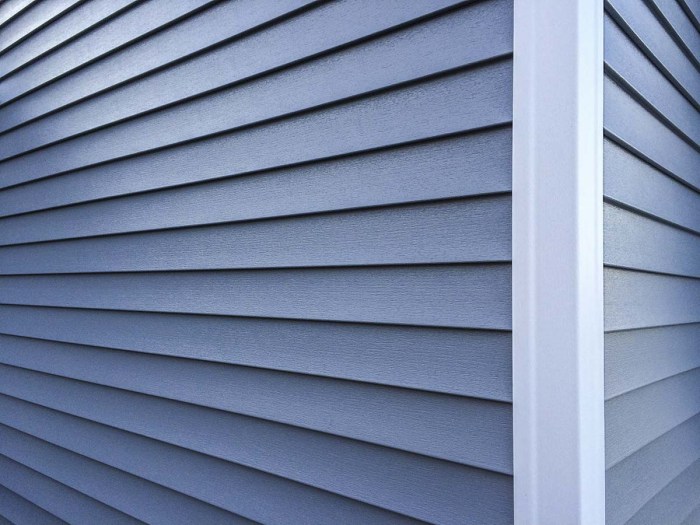
Source: ecroofinginc.com
Choosing between vinyl and fiber cement siding involves a significant financial decision. Understanding the cost differences, and the factors influencing those differences, is crucial for making an informed choice. This section will break down the material costs for both options, highlighting regional variations and additional expenses.
Regional Material Cost Variations
The price of both vinyl and fiber cement siding fluctuates depending on your location. Transportation costs, local demand, and the availability of suppliers all play a role. The following table provides estimated average costs per square foot in several regions. Keep in mind these are averages, and actual costs can vary based on the factors discussed below.
| Region | Vinyl Cost ($/sq ft) | Fiber Cement Cost ($/sq ft) | Cost Difference ($/sq ft) |
|---|---|---|---|
| Northeast US | $3.50 – $5.00 | $7.00 – $12.00 | $3.50 – $7.00 |
| Southeast US | $3.00 – $4.50 | $6.00 – $10.00 | $3.00 – $5.50 |
| Midwest US | $3.25 – $4.75 | $6.50 – $11.00 | $3.25 – $6.25 |
| West Coast US | $4.00 – $6.00 | $8.00 – $13.00 | $4.00 – $7.00 |
Factors Influencing Material Prices
Several factors contribute to the variability in siding prices. Material quality significantly impacts cost. Higher-grade vinyl siding, for example, offers better durability and color retention, commanding a higher price. Similarly, fiber cement siding with enhanced features like thicker panels or improved resistance to moisture will be more expensive. Brand reputation also plays a role; well-established brands often charge a premium for their name recognition and perceived quality. Finally, regional availability affects pricing. Areas with limited access to specific siding materials may experience higher costs due to increased transportation expenses.
Additional Material Costs
Beyond the base siding cost, several additional materials are necessary for a complete installation. Both vinyl and fiber cement projects require flashing to protect against water damage, trim pieces for finishing around windows and doors, and fasteners for securing the siding to the house. The cost of these supplementary materials can add a considerable amount to the overall project budget. For instance, high-quality flashing designed for long-term protection will be more expensive than basic flashing, and similarly, the choice of trim material (e.g., wood, vinyl, or fiber cement) will affect the final cost. Accurate estimation requires careful consideration of these extra components and their respective costs. A comprehensive quote from a contractor should include a detailed breakdown of these additional materials.
Labor Costs Analysis

Source: prosuperiorconstruction.com
Labor costs are a significant portion of your overall siding replacement project. Understanding these costs, which can vary widely, is crucial for accurate budgeting. This section breaks down the factors influencing labor expenses for switching from vinyl to fiber cement siding.
The hourly or daily rates for siding installers fluctuate based on several factors, including location, experience, and the type of siding being installed. Generally, experienced installers specializing in fiber cement siding command higher rates than those working primarily with vinyl. This is because fiber cement installation requires more skill and precision due to its heavier weight and the need for meticulous cutting and fastening. Expect to pay anywhere from $40 to $80 per hour, or $300 to $600 per day, for a skilled crew. These are rough estimates; obtaining multiple quotes from reputable contractors in your area is always recommended for an accurate assessment.
Installer Rates and Experience
Experienced installers with a proven track record of successful fiber cement siding projects will typically charge more per hour or day than less experienced installers. Their expertise minimizes mistakes, leading to faster installation times and a higher-quality finished product. The higher upfront cost might be offset by fewer potential issues down the line. For instance, an inexperienced installer might miscalculate cuts, leading to material waste and increased labor costs to correct the errors. Conversely, an experienced installer is likely to efficiently manage materials and time, resulting in a smoother and potentially less expensive overall process.
Impact of Project Complexity
The complexity of your home’s design significantly impacts labor costs. A simple, single-story house with standard siding will require less labor than a multi-story home with intricate architectural details, dormers, or multiple gables. Features like bay windows, decorative trim, or complex fascia boards also increase labor time and therefore expense. For example, installing siding around a series of uniquely shaped bay windows will require more precise measurements, careful cutting, and extra time compared to installing siding on a flat wall. The added complexity translates to higher labor charges.
Hidden Labor Costs
It’s essential to anticipate potential hidden labor costs beyond the basic installation. These unexpected expenses can significantly impact your overall budget if not factored in upfront.
- Waste Removal: Fiber cement siding generates more waste than vinyl, necessitating proper disposal. Contractors often charge extra for waste removal and disposal fees at the landfill.
- Scaffolding: For taller homes or those with difficult-to-reach areas, scaffolding is often necessary, adding to the labor costs. The cost of renting and erecting scaffolding, along with the labor involved in its safe and efficient use, can be substantial.
- Permits: Building permits are usually required for exterior renovations, and the cost varies depending on local regulations. Obtaining these permits often involves contractor time and potential fees.
Installation Process Differences
Replacing your siding involves a significant undertaking, regardless of whether you choose vinyl or fiber cement. However, the installation processes differ considerably in terms of techniques, time commitment, and the challenges faced. Understanding these differences is crucial for accurate budgeting and realistic project planning. This section outlines the key steps and considerations for each material.
Installing vinyl and fiber cement siding share some similarities – both require preparation of the existing wall, proper flashing and sealing, and careful attention to detail. However, the materials themselves, their handling, and the tools needed differ significantly, leading to different timelines and potential problems.
Vinyl Siding Installation
Vinyl siding installation is generally considered faster and less labor-intensive than fiber cement. The lightweight nature of the material makes handling easier, and the interlocking design simplifies the installation process.
The steps typically involve:
- Preparation: This includes removing old siding, inspecting and repairing the underlying sheathing, and installing house wrap for added weather protection.
- Starter Strip Installation: A starting strip is nailed to the bottom of the wall, providing a level base for the first row of siding.
- Siding Installation: Vinyl siding panels are overlapped and snapped into place, working from bottom to top. Proper overlapping is critical to ensure weather resistance.
- J-Channel and Trim Installation: J-channels and trim pieces are installed around windows, doors, and corners to create a neat and finished look.
- Finishing: Any necessary caulking or sealing is applied to ensure a watertight installation.
Tools and Equipment Needed for Vinyl Siding Installation:
- Measuring tape
- Level
- Circular saw or hand saw
- Hammer
- Nail gun (optional, but highly recommended for efficiency)
- Utility knife
- Caulk gun
- Safety glasses and gloves
Potential Challenges and Risks with Vinyl Siding Installation:
Vinyl siding installation is generally straightforward, but issues can arise. Extreme temperatures can make the material brittle or difficult to work with. Improper installation can lead to gaps, allowing water penetration. Damage during handling is also possible due to its relative fragility.
Fiber Cement Siding Installation
Fiber cement siding installation is more complex and time-consuming than vinyl siding. The material is heavier and more difficult to cut and handle, requiring more specialized tools and expertise.
The steps typically involve:
- Preparation: Similar to vinyl, this involves removing old siding, inspecting and repairing the sheathing, and installing house wrap.
- Starter Strip Installation: A starting strip is installed, providing a level base for the first row of siding.
- Siding Installation: Fiber cement panels are fastened to the wall using nails or screws. Precise measurements and alignment are crucial.
- J-Channel and Trim Installation: Similar to vinyl, J-channels and trim are installed for a professional finish.
- Caulking and Sealing: Careful caulking and sealing are essential to prevent water damage.
Tools and Equipment Needed for Fiber Cement Siding Installation:
- Measuring tape
- Level
- Circular saw with a carbide-tipped blade (specifically designed for fiber cement)
- Hammer or impact driver
- Drill with appropriate bits
- Safety glasses, respirator mask, and gloves (essential due to dust and potential inhalation hazards)
- Scaffolding or ladder (often necessary due to the weight of the panels)
Potential Challenges and Risks with Fiber Cement Siding Installation:
Fiber cement is durable, but it is heavier and more prone to breakage during handling and installation. The use of specialized tools and the need for precise cuts increases the complexity. Cutting fiber cement generates significant dust, requiring respiratory protection. Weather conditions, particularly rain, can significantly impact installation progress and quality. For example, a project delayed due to rain could add extra labor costs and potentially extend the project timeline.
Longevity and Maintenance
Choosing between vinyl and fiber cement siding involves a careful consideration of long-term costs. While initial investment might favor vinyl, the lifespan and maintenance needs significantly impact the overall expense over time. Understanding these differences is crucial for making an informed decision.
Fiber cement siding boasts a considerably longer lifespan than vinyl. This translates to fewer replacements and associated costs over the decades. However, fiber cement does require more upfront investment and specialized installation.
Lifespan Comparison and Maintenance Requirements
Vinyl siding typically lasts 20-30 years, depending on climate and exposure. It requires relatively low maintenance, primarily involving occasional cleaning to remove dirt and debris. Minor repairs, such as replacing damaged panels, are usually straightforward and inexpensive. However, vinyl is susceptible to cracking, fading, and warping, especially under harsh weather conditions. Regular inspection is recommended to catch and address problems early. Fiber cement siding, on the other hand, offers a much longer lifespan, often lasting 50 years or more with proper care. While it’s more resistant to damage than vinyl, it does require periodic repainting every 10-15 years to maintain its appearance and protect it from the elements. Repairing damaged fiber cement panels can be more complex and costly than vinyl repairs.
Long-Term Cost Implications
The long-term cost implications of each material are significantly different. While vinyl’s lower initial cost is appealing, the need for potential replacement within 20-30 years adds to the overall expense. Factor in the cumulative cost of minor repairs over the years, and the total cost of ownership for vinyl siding can become surprisingly high. Fiber cement, despite its higher initial investment, offers substantial long-term savings due to its extended lifespan and reduced need for replacement. The cost of repainting every 10-15 years should be factored in, but this is still likely less than the cost of replacing vinyl siding multiple times.
Examples of Potential Damage and Repair Costs, Cost to replace vinyl siding with fiber cement
The following table illustrates potential damage scenarios and associated repair costs for both siding types. These are estimates and can vary based on location, labor costs, and the extent of the damage.
| Damage Type | Vinyl Repair Cost | Fiber Cement Repair Cost | Notes |
|---|---|---|---|
| Minor dent or scratch | $25-$75 | $50-$150 | Often repairable with filler and paint for vinyl; fiber cement may require more extensive patching. |
| Cracked or broken panel | $50-$200 per panel | $100-$400 per panel | Replacing a damaged vinyl panel is relatively easy; replacing fiber cement panels requires more skill and may involve cutting and fitting. |
| Severe storm damage (multiple panels) | $500-$2000+ | $1000-$5000+ | The extent of damage and the number of panels requiring replacement will significantly impact the cost. Insurance claims may be necessary. |
| Fading or discoloration | Repainting or replacement | Repainting (every 10-15 years) | Vinyl is prone to fading; fiber cement requires periodic repainting to maintain its appearance. |
Environmental Impact Considerations
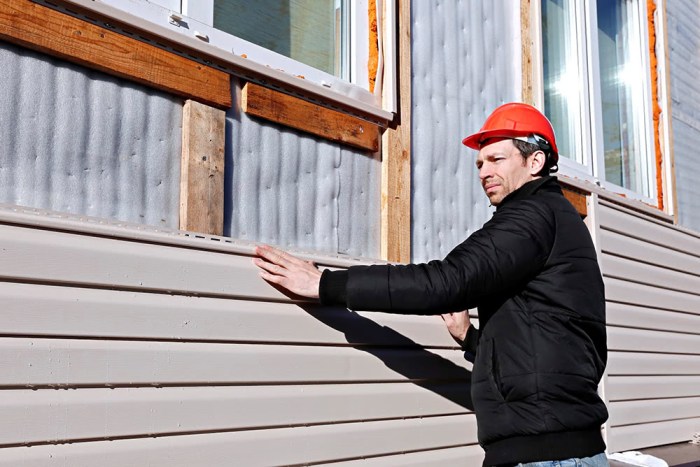
Source: legacyusa.com
Choosing between vinyl and fiber cement siding involves more than just aesthetics and cost; it also has significant environmental implications. Both materials have their lifecycle impacts, from manufacturing and transportation to eventual disposal. Understanding these differences can help homeowners make a more informed and environmentally conscious decision.
Manufacturing processes for both vinyl and fiber cement siding consume energy and resources, generating waste and emissions. Transportation adds to the carbon footprint, and disposal methods vary in their environmental friendliness. Let’s examine these aspects in more detail.
Manufacturing and Transportation Emissions
The manufacturing of vinyl siding is energy-intensive, relying heavily on fossil fuels. This process releases greenhouse gases, contributing to climate change. Furthermore, the production of vinyl involves the use of PVC (polyvinyl chloride), a material derived from petroleum and chlorine, both finite resources. Transportation of vinyl siding, often over long distances, further increases its carbon footprint. In contrast, fiber cement siding, while also energy-intensive, often utilizes recycled materials and has a lower reliance on fossil fuels. The specific environmental impact varies depending on the manufacturer’s processes and the sourcing of raw materials like cement and wood fiber. However, studies generally show fiber cement to have a smaller carbon footprint during manufacturing and transportation than vinyl siding, although both contribute significantly.
Embodied Carbon
Embodied carbon refers to the greenhouse gas emissions associated with a product’s entire lifecycle, from material extraction to manufacturing, transportation, and disposal. For both vinyl and fiber cement siding, embodied carbon is a substantial factor. While precise figures vary depending on factors such as manufacturing methods and transportation distances, fiber cement siding generally exhibits a lower embodied carbon footprint than vinyl siding due to the use of more sustainable raw materials and potentially lower energy consumption during manufacturing. For example, a study by the University of California, Berkeley, comparing various building materials, found fiber cement to be more environmentally friendly than PVC (vinyl) in terms of embodied carbon. This difference can be significant, potentially affecting a building’s overall carbon footprint considerably.
Disposal and End-of-Life Impacts
Vinyl siding is not easily recyclable and often ends up in landfills, where it persists for centuries without decomposing. This contributes to landfill space issues and potential soil and water contamination due to leaching of chemicals. Fiber cement siding, on the other hand, can be disposed of in landfills, but some components may be recyclable depending on local regulations and facilities. While it doesn’t decompose like organic materials, it doesn’t present the same long-term environmental concerns as vinyl due to the lack of persistent toxins. In certain regions, responsible disposal options, like specialized recycling facilities for cement-based materials, are becoming increasingly available.
Visual Appeal and Design Options
Choosing between vinyl and fiber cement siding involves more than just cost; the aesthetic impact on your home’s exterior is a significant factor. Both materials offer a wide range of styles, but their inherent properties lead to distinct visual outcomes. Fiber cement, for instance, can achieve a more realistic wood-like appearance, while vinyl often presents a smoother, more uniform finish.
Fiber cement and vinyl siding offer distinct visual characteristics that significantly influence a home’s curb appeal. The differences lie primarily in texture, color options, and the overall impression they create.
Aesthetic Differences Between Vinyl and Fiber Cement Siding
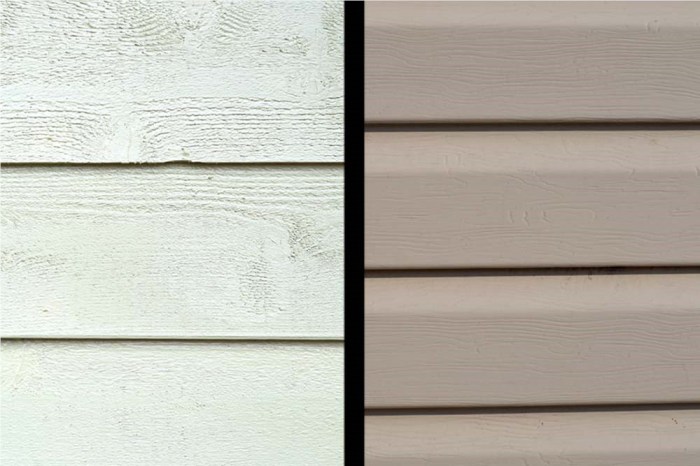
Vinyl siding typically boasts a smoother, more uniform surface. While it offers a wide array of colors, these colors tend to be more consistent and less nuanced than those available with fiber cement. Textures are often limited to smooth, slightly textured, or wood-grain embossed options. Fiber cement, conversely, can mimic the natural variations of wood, stone, or stucco, providing a more textured and realistic appearance. The color palette for fiber cement is generally broader, allowing for deeper, richer hues and more subtle shading. This translates to a more sophisticated and potentially higher-end look. Furthermore, fiber cement siding can often better withstand harsh weather conditions without showing significant fading or discoloration over time.
House Facade Designs
Let’s imagine three different homes to illustrate the visual impact of each siding type.
Design 1: Traditional Home with Vinyl Siding
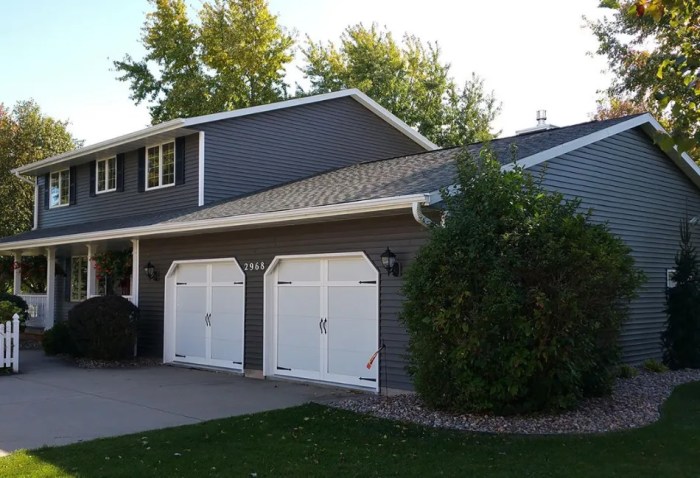
This design features a two-story colonial-style home clad in white vinyl siding with dark brown trim. The vinyl siding is smooth, creating a clean and classic look. Simple, dark-brown shutters complement the windows, adding a touch of traditional elegance. The overall effect is one of neatness and affordability. This is a common and widely accepted design in many suburban neighborhoods, offering a predictable and safe visual outcome. This design prioritizes a classic and easily maintainable look.
Design 2: Modern Farmhouse with Fiber Cement Siding
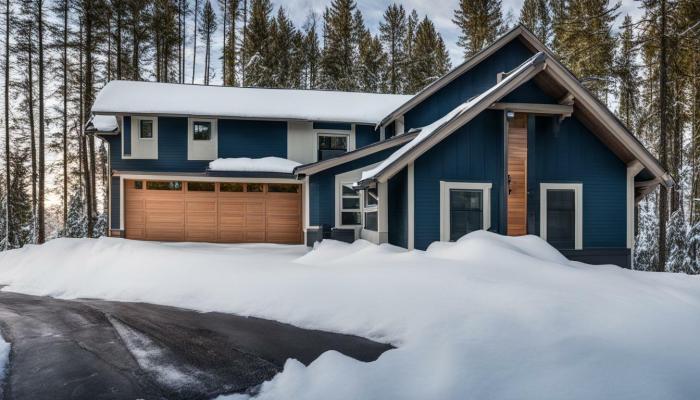
This design uses a light gray fiber cement siding with a subtle wood-grain texture on a one-and-a-half-story farmhouse. The texture adds depth and visual interest, creating a more rustic and sophisticated aesthetic. Black windows and a dark gray metal roof provide a striking contrast, enhancing the modern farmhouse feel. The slightly irregular texture of the fiber cement mimics the natural look of wood without the associated maintenance issues. This design projects a sense of modern simplicity mixed with rustic charm.
Design 3: Contemporary Home Combining Vinyl and Fiber Cement
This design showcases a contemporary home where fiber cement siding is used on the main facade, creating a striking focal point. The chosen color is a deep charcoal gray with a smooth finish. Vinyl siding in a lighter gray is used on the less prominent sides and back of the house, offering a cost-effective solution while maintaining visual cohesion. This combination allows for a visually interesting exterior without sacrificing affordability. This approach provides a balanced look, incorporating high-end materials in key areas while managing overall project costs.
Impact on Curb Appeal and Property Value
Homes with fiber cement siding often command higher property values than those with vinyl siding, primarily due to its perceived higher quality and longevity. The more realistic textures and richer color options of fiber cement contribute to a more sophisticated and visually appealing exterior, boosting curb appeal. However, the initial investment for fiber cement is significantly higher. Vinyl siding, while less expensive, can still enhance curb appeal, particularly when well-maintained and chosen in a style that complements the home’s architecture. Ultimately, the impact on property value depends on a variety of factors, including location, overall home condition, and the specific design choices made. A well-designed home with either siding type can increase property value, but fiber cement generally offers a higher potential return on investment in the long term.
Final Review: Cost To Replace Vinyl Siding With Fiber Cement
Ultimately, replacing your vinyl siding with fiber cement is a significant investment, but one that can dramatically improve your home’s curb appeal, longevity, and overall value. By carefully considering the factors we’ve discussed – material costs, labor, installation, maintenance, and environmental impact – you can make a well-informed decision that best suits your needs and budget. Remember to get multiple quotes from reputable contractors to ensure you’re getting the best possible price and service.
Common Queries
What are some common causes of siding damage?
Common causes include severe weather (hail, wind, etc.), impact damage (from falling branches or objects), and general wear and tear over time.
How long does a siding replacement project typically take?
The timeframe varies depending on house size and complexity, but expect several days to a couple of weeks.
Do I need permits for siding replacement?
Permits are often required; check with your local building department.
Can I do some of the work myself to save money?
While some minor tasks might be DIY-friendly, professional installation is usually recommended for a quality, long-lasting result. Attempting complex tasks yourself could void warranties or cause damage.
What about insurance coverage for siding damage?
Check your homeowner’s insurance policy; many policies cover damage from severe weather or accidents.