Fiber Cement vs Vinyl Siding Showdown
Fiber cement vs vinyl: Choosing the right siding for your home can feel overwhelming. This guide cuts through the jargon, comparing these popular options across durability, aesthetics, cost, environmental impact, and fire safety. We’ll explore the pros and cons of each, helping you make an informed decision that fits your budget and lifestyle.
From weathering extreme storms to maintaining curb appeal, we’ll examine how fiber cement and vinyl perform under pressure. We’ll also delve into the installation process, long-term costs, and the environmental considerations of each material. By the end, you’ll have a clear understanding of which siding best suits your needs.
Durability and Longevity
Choosing between fiber cement and vinyl siding often comes down to how long you want your home’s exterior to last and how much maintenance you’re willing to put in. Both materials offer decent lifespans, but their performance varies significantly under different conditions and with different levels of care.
Fiber cement and vinyl siding react differently to various weather extremes. Let’s explore their strengths and weaknesses.
Lifespan Under Various Weather Conditions
Fiber cement boasts superior durability in harsh weather. Its cement composition makes it highly resistant to moisture, rot, insect infestation, and extreme temperature fluctuations. In areas with heavy snowfall, intense sun, or frequent freeze-thaw cycles, fiber cement typically outperforms vinyl. For example, a hurricane with high winds and driving rain is less likely to damage fiber cement siding than vinyl, which can be more susceptible to cracking or warping under such stress. Conversely, prolonged exposure to intense UV radiation can lead to fading in some fiber cement products, though less so than with vinyl. Vinyl, while generally weather-resistant, can become brittle and crack in extremely cold climates or warp and melt under intense heat. Areas prone to frequent hailstorms might see more damage to vinyl than fiber cement.
Impact Resistance
Both fiber cement and vinyl siding can withstand impacts, but their resistance varies significantly. Fiber cement, due to its denser composition, offers significantly higher impact resistance. Vinyl, while flexible, is more prone to dents and cracks from hail or accidental impacts. Precise impact resistance ratings are not standardized across manufacturers and vary depending on the specific product grade and thickness. However, generally, higher-grade fiber cement boards will exhibit greater impact resistance than standard vinyl siding.
| Material | Grade/Type | Impact Resistance (Qualitative) | Typical Thickness (mm) |
|---|---|---|---|
| Fiber Cement | Standard | High | 12-16 |
| Fiber Cement | Premium | Very High | 16-19 |
| Vinyl | Standard | Moderate | 1-2 |
| Vinyl | Heavy Duty | Higher than Standard | 2-3 |
Maintenance Requirements Over 20 Years
Regular maintenance is crucial for prolonging the lifespan of both fiber cement and vinyl siding. However, the frequency and intensity of required maintenance differ significantly.
Here’s a comparison of maintenance needs over 20 years:
- Fiber Cement:
- Occasional cleaning with water and a mild detergent to remove dirt and grime (every 1-2 years).
- Minor repairs (e.g., replacing damaged panels) may be needed less frequently than with vinyl.
- Caulking around windows and doors may need occasional refreshing (every 5-10 years).
- Painting or staining may be desired to maintain color and protect against UV degradation (every 10-15 years, depending on climate and product).
- Vinyl:
- Regular cleaning with water and a mild detergent to remove dirt and grime (annually or more frequently depending on environmental conditions).
- More frequent repairs might be necessary due to cracking, warping, or impact damage.
- Caulking around windows and doors may need more frequent attention (every 3-5 years).
- Vinyl siding generally doesn’t require painting or staining, reducing long-term maintenance.
Appearance and Aesthetics
Choosing between fiber cement and vinyl siding often comes down to personal preference, but understanding the aesthetic differences is crucial. Both materials offer a wide range of styles and finishes, allowing for significant customization in your home’s exterior design. However, their inherent properties lead to distinct visual outcomes.
House Facade Designs, Fiber cement vs vinyl
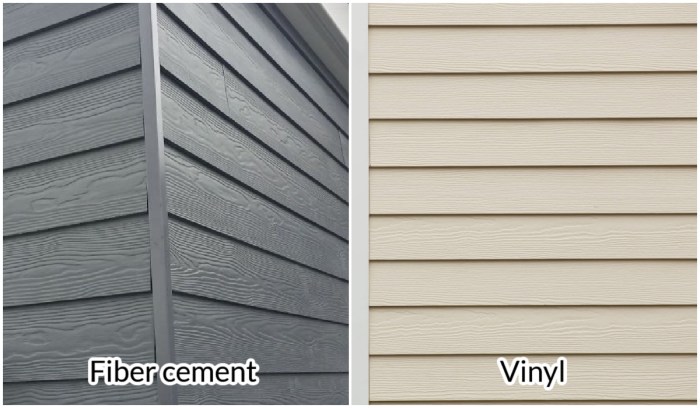
Let’s imagine three different houses to illustrate the visual possibilities. The fiber cement siding is painted a sophisticated charcoal gray, offering a smooth, almost monolithic appearance. The subtle texture of the fiber cement is barely noticeable, contributing to the minimalist design. Vertical lines are emphasized, further enhancing the modern feel.
House B: This charming colonial-style home uses vinyl siding in a warm, creamy white. The vinyl siding mimics the look of clapboard, with individual planks creating a classic, traditional aesthetic. The slightly textured surface adds depth without being overly pronounced. Dark brown trim and shutters provide contrast and visual interest.
House C: This eclectic home cleverly combines both materials. The lower level features durable, textured fiber cement siding in a deep brown, giving a grounded, substantial look. The upper level, however, uses lighter-colored vinyl siding with a subtle wood grain texture, creating a lighter and more airy feel. This combination creates visual interest and plays with different architectural styles.
Fiber Cement and Vinyl Siding Finishes
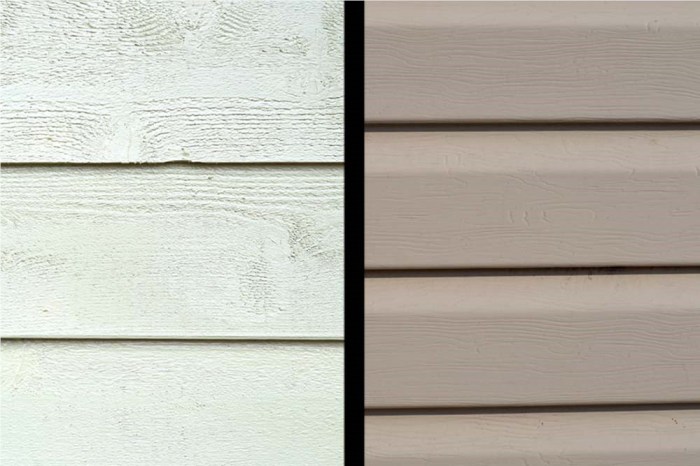
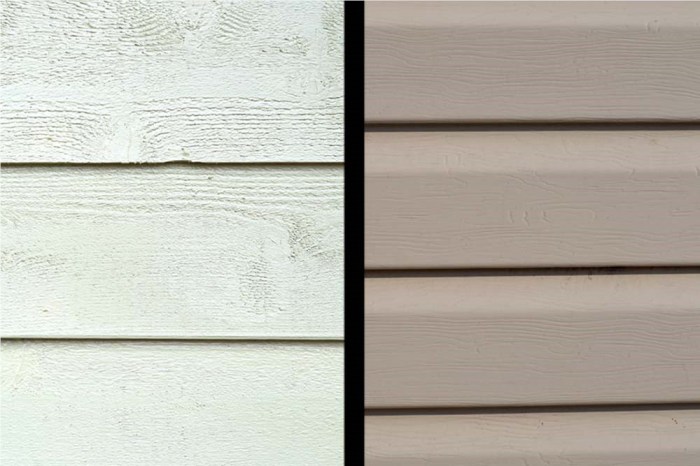
Fiber cement siding offers a variety of finishes to enhance its visual appeal. Many manufacturers provide smooth finishes, perfect for modern designs, while others offer textured finishes that mimic the look of wood or stucco. A popular textured finish provides a subtle, slightly rough surface that adds depth and visual interest. Color options are virtually limitless with fiber cement, as it can be easily painted.
Vinyl siding, on the other hand, often comes pre-finished with a range of colors and textures. Smooth finishes are common, but manufacturers also offer embossed textures that simulate wood grain, stone, or even stucco. These textures add depth and visual complexity. However, repainting vinyl siding is generally not recommended, limiting color customization.
Material Mimicry
Both fiber cement and vinyl siding are adept at mimicking other materials. Fiber cement, with its paintability and ability to accept various textures, can convincingly imitate wood, stucco, or even stone. However, very realistic wood grain replication can be challenging and might look slightly artificial up close.
Vinyl siding has been quite successful in mimicking wood grain. Many high-quality vinyl sidings create remarkably realistic wood-like textures, especially from a distance. However, upon closer inspection, the plastic nature of the material is usually apparent. Imitating stone with vinyl is less successful; the resulting appearance often looks artificial and lacks the natural variations of real stone.
Cost and Installation
Choosing between fiber cement and vinyl siding involves careful consideration of not only aesthetics but also the financial implications throughout the lifespan of your home. Both materials have upfront and long-term costs that need to be weighed against their respective benefits. Understanding these costs will help you make an informed decision that aligns with your budget and long-term goals.
The overall cost of siding installation is influenced by several factors, including the size of your house, the complexity of the project (e.g., intricate trim work, multiple angles), the regional cost of labor, and the specific materials chosen. Higher-end options within each material category will naturally command a higher price. Permitting fees and any necessary repairs to the underlying wall structure before installation also add to the final cost.
Material and Labor Costs Comparison
The table below provides a general comparison of material and labor costs. Keep in mind that these are estimates and can vary significantly based on location, project specifics, and contractor pricing. Always obtain multiple quotes from reputable contractors in your area.
| Cost Category | Fiber Cement Siding | Vinyl Siding |
|---|---|---|
| Materials (per sq ft) | $3.00 – $8.00 | $1.50 – $4.00 |
| Labor (per sq ft) | $4.00 – $8.00 | $2.00 – $5.00 |
| Additional Expenses (e.g., permits, disposal, trim) | $500 – $2000 | $300 – $1500 |
Installation Process Differences
Fiber cement siding installation is generally more labor-intensive and requires more skilled labor than vinyl siding. Fiber cement boards are heavier and less flexible, demanding more precise cutting and fastening. Proper installation of fiber cement requires experience to avoid cracking or damage. Vinyl siding, on the other hand, is lightweight and easier to handle, making installation faster and potentially less expensive in terms of labor.
Long-Term Cost-Effectiveness
While vinyl siding boasts a lower initial cost, its long-term cost-effectiveness compared to fiber cement is a key consideration. The following points highlight the differences:
- Maintenance: Vinyl siding generally requires minimal maintenance, needing only occasional cleaning. Fiber cement may require occasional painting to maintain its appearance and protect it from the elements.
- Repairs: Minor vinyl siding repairs are relatively inexpensive and easy. Fiber cement repairs can be more costly and complex, especially if significant damage occurs.
- Lifespan: Fiber cement siding generally lasts longer than vinyl siding, potentially reducing the need for premature replacement. A high-quality fiber cement installation might last 50 years or more, while vinyl siding may need replacement after 20-30 years, depending on exposure to weather and maintenance.
- Insurance: Some insurance companies offer discounts on premiums for homes with fiber cement siding due to its higher fire resistance compared to vinyl.
Environmental Impact

Choosing between fiber cement and vinyl siding involves considering their respective environmental footprints. Both materials have impacts throughout their lifecycles, from manufacturing and transportation to disposal. Understanding these impacts can help homeowners make informed decisions aligned with their environmental values.
Fiber cement and vinyl siding differ significantly in their manufacturing processes and resulting environmental burdens. Fiber cement, a composite material, typically combines Portland cement, cellulose fibers, and silica sand. The manufacturing process is energy-intensive, requiring high temperatures for curing. This leads to significant greenhouse gas emissions, primarily carbon dioxide. Additionally, the extraction and processing of raw materials contribute to environmental concerns such as habitat disruption and water pollution. In contrast, vinyl siding is primarily made from polyvinyl chloride (PVC), a plastic derived from petroleum. PVC production is also energy-intensive and releases volatile organic compounds (VOCs) and other pollutants into the atmosphere. The reliance on fossil fuels in vinyl production makes it a less sustainable option compared to fiber cement, which uses some naturally occurring materials.
Manufacturing Processes and Environmental Impacts
Fiber cement manufacturing involves several stages with associated environmental impacts. The extraction of raw materials, such as sand and cellulose fibers, can lead to habitat destruction and soil erosion. The energy-intensive cement production process contributes significantly to greenhouse gas emissions. Finally, the transportation of the finished product adds to the overall carbon footprint. Vinyl siding manufacturing also carries environmental costs. The production of PVC from petroleum is energy-intensive and releases harmful pollutants. The manufacturing process can also generate hazardous waste. The use of plasticizers and stabilizers in vinyl can further impact the environment. Transportation of the finished product also contributes to the overall environmental impact.
Recyclability and Disposal
At the end of their lifespan, both fiber cement and vinyl siding present disposal challenges. Fiber cement is generally considered more environmentally friendly in this respect. While not readily recyclable in the same way as some metals, fiber cement can be crushed and used as aggregate in construction projects. Disposal in landfills is also an option, although it still occupies space. Vinyl siding, on the other hand, is less easily recycled and often ends up in landfills. Recycling programs for PVC are limited, and the process itself can be energy-intensive and potentially release harmful substances. Proper disposal is crucial for both materials to minimize environmental harm.
Lifecycle Carbon Footprint Comparison
A comparison of the lifecycle carbon footprint of fiber cement and vinyl siding would show a bar chart with two bars. The bar representing vinyl siding would be significantly taller than the bar representing fiber cement. This is because the energy-intensive manufacturing process of vinyl siding, reliance on fossil fuels, and limited recyclability contribute to a larger overall carbon footprint. While fiber cement also has an environmental impact, the use of some natural materials and potential for aggregate reuse results in a smaller overall carbon footprint compared to vinyl siding. This difference is particularly pronounced when considering the transportation and disposal stages of the lifecycle. For example, studies have shown that the carbon footprint of vinyl siding can be two to three times higher than that of fiber cement siding over its entire lifespan. This disparity highlights the importance of considering the environmental implications when choosing between these two siding materials.
Fire Resistance and Safety: Fiber Cement Vs Vinyl
When choosing exterior cladding, fire safety is paramount. Both fiber cement and vinyl siding offer different levels of protection against fire, and understanding these differences is crucial for ensuring the safety of your home and family. This section will compare their fire resistance properties and discuss the implications for building codes and safety regulations.
Fiber cement siding, composed of cement, cellulose fibers, and other additives, exhibits significantly greater fire resistance than vinyl siding. Its inherent inorganic composition makes it less susceptible to ignition and slower to spread flames. Vinyl siding, being a thermoplastic polymer, melts and burns readily when exposed to high temperatures.
Fire Resistance Ratings
The fire resistance of building materials is often assessed using standardized tests that measure flammability, combustibility, and flame spread. While specific ratings vary depending on the product and testing standards, fiber cement siding generally achieves higher ratings in these tests than vinyl siding. Fiber cement siding often meets or exceeds Class A fire ratings in many jurisdictions, representing the highest level of fire resistance. In contrast, vinyl siding typically receives a Class C rating, indicating a higher susceptibility to fire spread. These ratings are crucial for determining a building’s overall fire safety profile and compliance with building codes.
Safety Implications of Fire Hazards
The difference in fire resistance translates directly to safety implications. In a fire scenario, fiber cement siding is less likely to ignite and contribute to the rapid spread of flames, providing more time for evacuation and firefighting efforts. The slow burning nature of fiber cement can help contain the fire, limiting its damage to the immediate area. Conversely, vinyl siding melts and releases flammable gases when exposed to heat, accelerating fire spread and intensifying the risk of injury and property damage. The melting vinyl can also drip onto flammable materials below, further fueling the fire.
Building Codes and Regulations
Building codes and regulations often specify minimum fire resistance requirements for exterior wall cladding. These requirements vary by region and jurisdiction but typically favor materials with higher fire resistance ratings, such as fiber cement siding. Many codes may prohibit or restrict the use of vinyl siding in certain high-risk areas or building types. For example, areas with high fire risk, such as those with dry vegetation or strong winds, may require materials with higher fire resistance ratings. Always check with your local building authority to determine the specific requirements applicable to your project. Ignoring these regulations can lead to building permit rejection and potential legal liabilities.
Epilogue
Ultimately, the “best” siding – fiber cement or vinyl – depends entirely on your priorities. Fiber cement offers superior durability and fire resistance, but comes with a higher upfront cost. Vinyl provides a more budget-friendly option with lower maintenance, though it may not last as long or withstand extreme weather as effectively. Weighing the factors discussed – durability, aesthetics, cost, environmental impact, and fire safety – will empower you to make the right choice for your home.
Popular Questions
Can I paint fiber cement siding?
Yes, fiber cement can be painted, offering flexibility in color choices. However, use a paint specifically designed for fiber cement to ensure proper adhesion and longevity.
How does vinyl siding handle extreme cold?
Vinyl siding can become brittle in extremely cold temperatures, potentially cracking or becoming more susceptible to damage. Consider this factor if you live in a region with harsh winters.
Is vinyl siding recyclable?
Some vinyl siding can be recycled, but the process isn’t always readily available. Check with your local waste management facilities for recycling options.
What about the warranty on fiber cement and vinyl siding?
Warranties vary significantly between manufacturers and product lines. Always check the specific warranty details before purchasing.
Does fiber cement siding require special tools for installation?
While standard tools are used, fiber cement’s density requires more robust tools and potentially more experience for proper cutting and installation.